site-logo Site Logo

Your Guide to Herbal Remedies for Everyday Wellness Support

Article avatar image

Photo by Kat on Unsplash

Introduction: The Role of Herbal Remedies in Wellness Support

Herbal remedies have been used for centuries to promote wellness and address common health concerns. Today, many people seek natural options to support immunity, energy, stress management, and overall health. While modern research continues to investigate the effectiveness of these botanicals, several herbs are widely recognized for their potential benefits. This guide provides a comprehensive overview of popular herbal remedies, their uses, practical steps for safe integration, and guidance on finding reliable information.

Understanding Herbal Wellness: What Does the Science Say?

The use of herbal medicine is deeply rooted in traditions around the globe, from Traditional Chinese Medicine to Ayurveda and Western herbalism. Modern scientific studies have begun to examine the claimed benefits of herbs, but results vary:

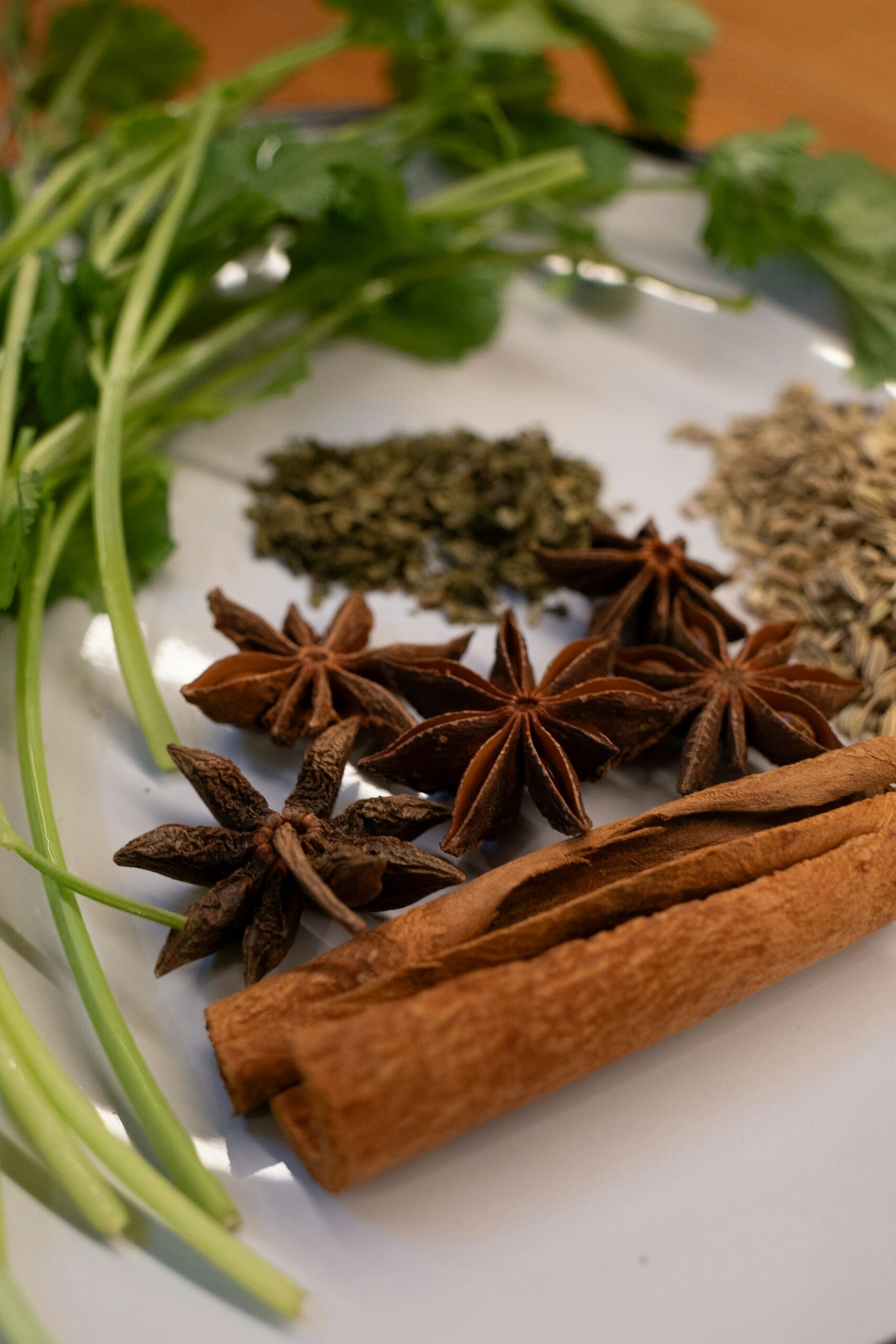
Article related image

Photo by Bakd&Raw by Karolin Baitinger on Unsplash

  • Ginseng is often used to support immunity, cognitive function, and energy. Some studies suggest its active compounds (ginsenosides) may offer neuroprotective and immune-supporting properties, though more robust human trials are needed to confirm these effects [1] .
  • Ginkgo biloba is traditionally used to support brain health and circulation. Evidence exists for its use in certain types of dementia and claudication, but results are not conclusive for all suggested uses [1] [4] .
  • Elderberry is marketed for immune support, especially during cold and flu season. Small studies indicate it may help reduce the duration of respiratory infections, but larger, high-quality trials are needed [1] .
  • Ashwagandha is recognized in Ayurvedic medicine for stress reduction and immune modulation. Some research indicates it may lower cortisol and improve markers of immune function, but more data is required for definitive conclusions [3] .

It is important to note that while many herbs have a long history of traditional use, conclusive scientific evidence is often limited. Always interpret health claims with caution and look for information from credible sources.

Popular Herbal Remedies: Uses, Examples, and Safety

1. Ginseng

Ginseng roots are used in teas, powders, and supplements. In traditional medicine, Asian ginseng is considered energizing, while American ginseng is viewed as more calming. Possible benefits include support for mental clarity, immune health, and stamina. However, as with many herbs, human research is inconclusive. Short-term use is generally considered safe, but potential side effects include headaches, digestive issues, and insomnia. Long-term effects are not well studied [1] .

2. Ginkgo Biloba

Ginkgo leaf extract is one of the most commonly used herbal supplements for cognitive support. It contains antioxidants that may help protect cells from oxidative stress. Some studies show modest benefits in people with dementia, but evidence for otherwise healthy individuals is less clear. It is usually well tolerated but may increase the risk of bleeding and interact with certain medications [1] [4] .

3. Elderberry

Elderberry syrup and lozenges are popular for managing cold and flu symptoms. While laboratory studies indicate antiviral and immune-modulating effects, clinical evidence remains limited. Cooked elderberry is safe for most individuals, but raw or unripe berries are toxic. Always ensure elderberry products are properly prepared [1] .

4. Ashwagandha

Ashwagandha is used in powder, capsule, and tea forms to help manage stress, support sleep, and promote overall vitality. Some evidence suggests it may lower stress hormones and improve immune response. Doses typically range from 1 to 6 grams of whole herb per day. While generally considered safe, it may interact with sedatives, thyroid medications, and immunosuppressants [3] .

5. Other Common Herbs

Other frequently used herbs for wellness support include:

  • Echinacea for upper respiratory tract infections, though evidence is mixed.
  • Garlic for cardiovascular health, with some support for cholesterol reduction.
  • Ginger for digestive health and nausea.

You can find detailed information on these and many other herbs at the National Center for Complementary and Integrative Health, accessible through MedlinePlus. Search for a specific herb to learn about its uses, dosing, and safety considerations [2] .

How to Incorporate Herbal Remedies Safely

Before using any herbal remedy, consider the following steps to maximize potential benefits and minimize risks:

  1. Consult your healthcare provider. Herbs can interact with prescription medications and may not be appropriate for everyone, especially those with chronic health conditions or who are pregnant.
  2. Research thoroughly. Use trusted resources such as the National Center for Complementary and Integrative Health and MedlinePlus for updated, evidence-based information on herbs and supplements.
  3. Choose reputable brands. Look for products tested for quality and purity. Consider brands that follow good manufacturing practices and are certified by third-party organizations.
  4. Start with low doses. Begin with the minimum effective amount and monitor for side effects.
  5. Monitor for adverse reactions. Discontinue use and consult a healthcare professional if you experience unexpected symptoms.

Where to Find Herbal Remedies and Reliable Information

Herbal supplements are widely available at pharmacies, health food stores, and online retailers. When considering an herbal product:

  • Look for labels that include the scientific name of the herb, dosage, and a list of all ingredients.
  • Be wary of products making exaggerated health claims or promising guaranteed results.
  • To learn more about a specific herb, you can visit MedlinePlus’s Herbs and Supplements directory, which provides up-to-date information on uses, safety, and interactions [2] .
  • For the latest research, consult PubMed or the National Center for Complementary and Integrative Health. If you need help locating a qualified herbalist, consider searching the American Herbalists Guild directory, or ask your physician for a referral.

If you are seeking professional advice or a tailored wellness plan, you may contact your primary care provider or an integrative health practitioner. Many hospitals and clinics now offer integrative medicine departments with expertise in herbal therapies.

Practical Examples: Building a Herbal Wellness Routine

Here are examples of how individuals may incorporate herbal remedies into their wellness routines:

  • Energy support: A working professional may choose to brew ginseng tea in the morning for a gentle energy lift. Starting with a small dose and observing effects over several days is recommended.
  • Immune support: During cold and flu season, a family may use cooked elderberry syrup as part of their morning routine. If anyone has chronic health conditions or is taking medications, they should consult a healthcare provider first.
  • Stress management: A student experiencing exam-related stress might take ashwagandha capsules after checking for possible interactions with other supplements or medications.

These approaches should always be personalized and supervised when possible.

Potential Challenges and Solutions

While herbal remedies offer promising options for wellness support, challenges include:

  • Lack of regulation and consistency in supplement quality. Choosing well-established brands and looking for third-party testing can help mitigate this risk.
  • Variable evidence for effectiveness. Stay informed by consulting recent scientific reviews and official health resources.
  • Possible side effects and drug interactions. Always discuss new supplements with your healthcare provider, and keep a detailed list of everything you take.

Alternative and Complementary Approaches

In addition to herbal remedies, wellness can be supported by a holistic approach that includes:

  • Balanced nutrition
  • Regular physical activity
  • Stress management techniques such as meditation or yoga
  • Quality sleep

Combining these foundational habits with carefully chosen herbal remedies may offer the most comprehensive approach to wellness.

Key Takeaways

Herbal remedies can be a valuable part of a broader wellness strategy, but they should be used thoughtfully and in consultation with healthcare professionals. Focus on evidence-based practices, research trusted sources, and prioritize safety. For reliable guidance, seek information from established health organizations and consult your healthcare provider for personalized recommendations.

References

Cultivating Deep, Meaningful Connections in a Fast-Paced World
What Does God Say About Pets? Spiritual Insights and Practical Guidance
Can You Use an HSA for Pet Expenses? Your Guide to Pet Healthcare Savings Options
How to Buy Baseball Lifestyle Apparel: Verified Retailers, Guidance, and Expert Tips
Your Guide to Herbal Remedies for Everyday Wellness Support
The Future of Pet-Friendly Hotels: Emerging Trends Shaping the Guest Experience
Proven Strategies for Preventing Obesity in Pets: Expert Guidance for a Healthier Companion
Mastering the Signals: A Practical Guide to Understanding Canine Body Language
Vegan Diets for Household Pets: Evidence, Guidance, and Practical Steps
Unlocking Pet Vitality: Exploring the Benefits of Probiotics in Modern Pet Wellness
A Comprehensive Guide to Eco-Friendly Pet Grooming Products for a Healthier Pet and Planet
How Robotics Is Shaping the Next Generation of Elderly Care