
Technology
Serverless Computing: The Backbone of Scalable, Cost-Effective Modern Applications

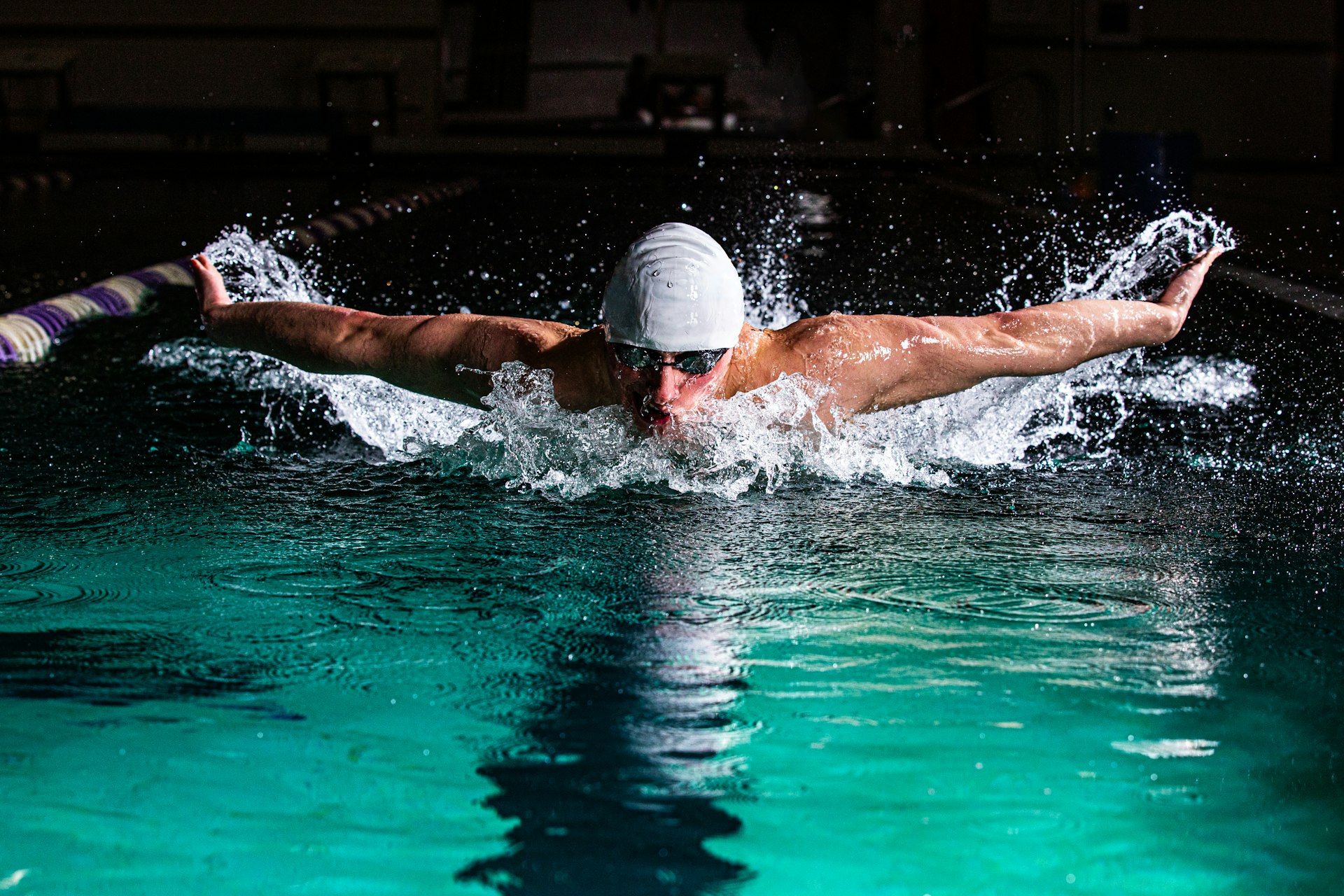
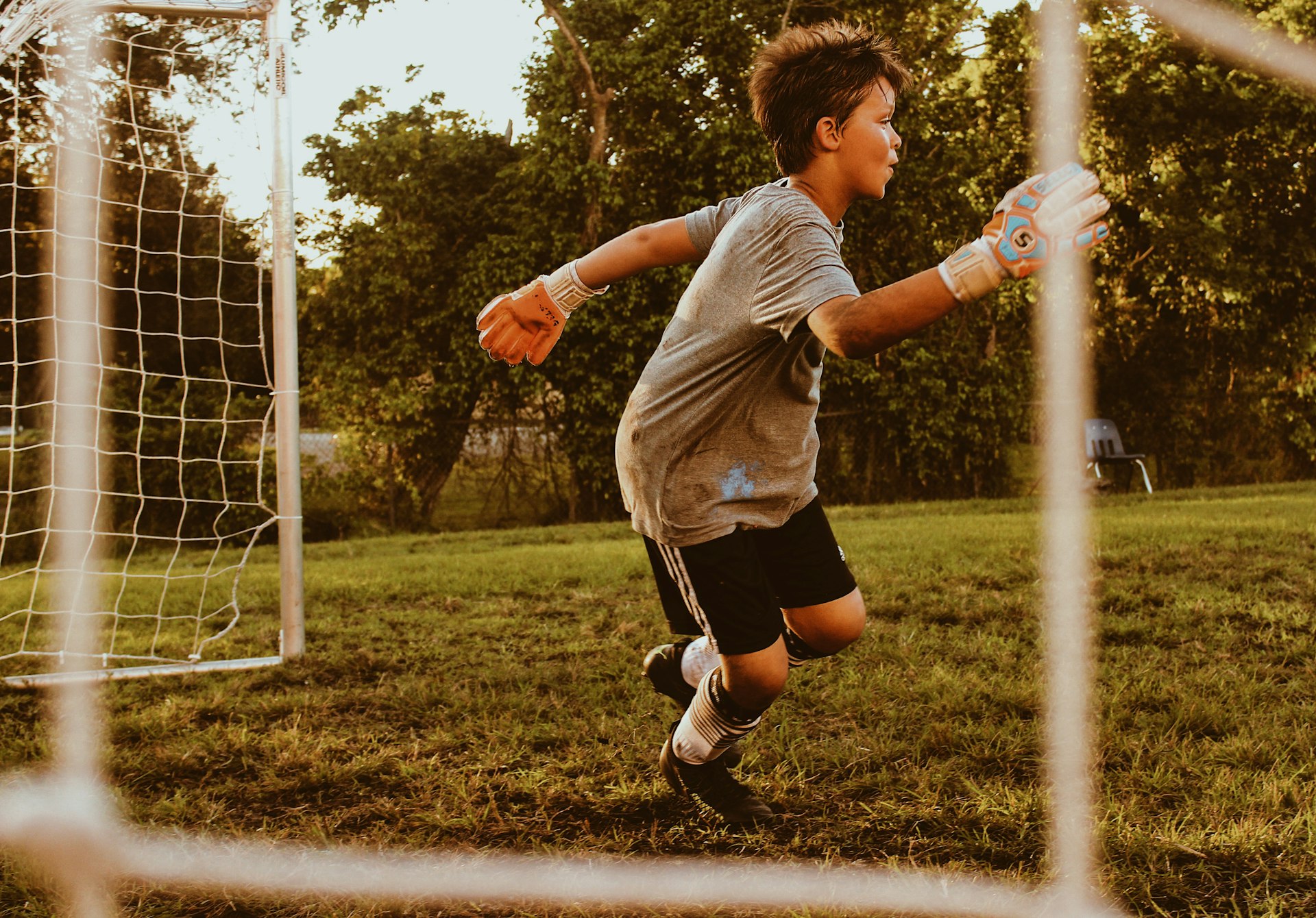
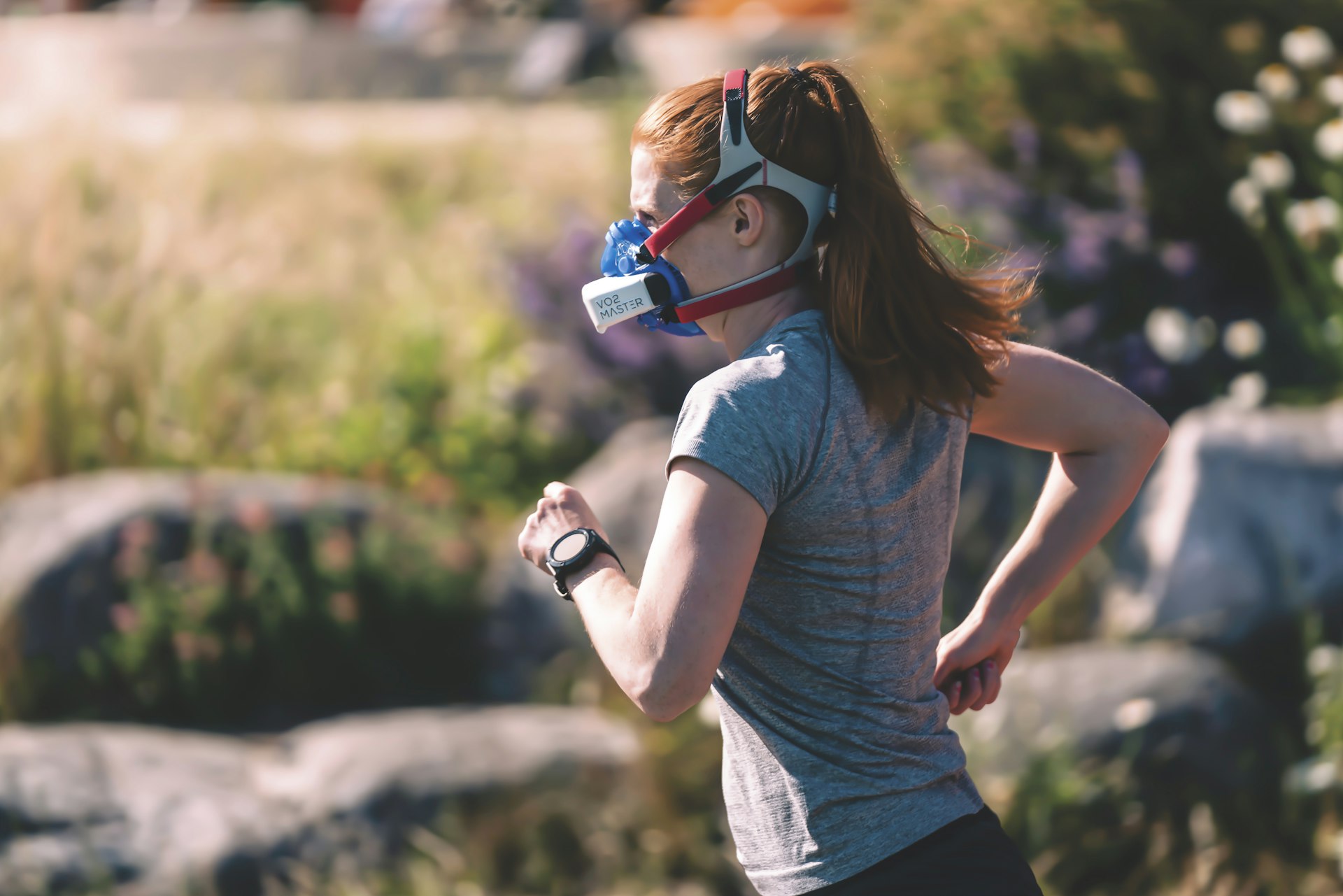
Over the past decade, the landscape of adolescent physical engagement has seen significant shifts, with implications for public health, community dynamics, and youth development. Once a staple of after-school routines and weekend schedules for many young people, organized athletic participation has evolved in ways that mirror larger societal changes. From the rise of digital entertainment to growing concerns about mental health, each factor plays a role in shaping how today’s youth approach sports and physical activity.
One of the most prominent drivers of change is the proliferation of digital devices and online platforms. For many adolescents, screen time has become a central part of their daily lives, offering instant access to social media, video games, and streaming content. This shift has created competition for the time that was once dedicated to sports or outdoor play. A 2022 study by the Pew Research Center found that 78% of U.S. teens spend at least two hours daily on recreational screen use, excluding school-related work. While this does not directly equate to reduced sports participation, it has altered the balance of activities for many young people, leading some to prioritize digital interactions over in-person athletic pursuits.
However, technology has also opened new doors for youth sports engagement. Virtual fitness programs, online coaching resources, and remote team training sessions have become more common, especially in the wake of the COVID-19 pandemic. These tools have allowed young athletes to stay connected to their sports even when in-person participation was not possible, and have provided access to training opportunities that were once limited to those in affluent areas. For example, a 2023 report from the National Federation of State High School Associations noted that 32% of high school athletes used virtual training platforms at least once a week during the 2022-2023 school year, up from just 12% in 2019.
Another key trend is the growing emphasis on sport specialization among young athletes. Instead of participating in multiple sports throughout the year, many adolescents now focus on one sport from an early age, driven by the desire to excel at a competitive level. This trend has been fueled by the rise of elite youth leagues, college recruiting pressures, and the perception that specialization leads to better performance. A 2021 study published in the Journal of Sports Medicine and Physical Fitness found that 45% of youth athletes aged 12-18 specialized in a single sport, compared to 28% in 2010.
While specialization can offer benefits such as improved skill development and increased exposure to high-level competition, it also carries risks. Overuse injuries, burnout, and reduced socialization opportunities are common concerns among specialized young athletes. In response, many coaches and sports organizations are now advocating for a return to multi-sport participation, which can help reduce injury risk, enhance overall athleticism, and provide a more balanced youth experience. For instance, the American Academy of Pediatrics recommends that young athletes take at least three months off from their primary sport each year to participate in other activities or rest.
Accessibility remains a critical issue in youth sports participation, with disparities based on socioeconomic status, race, and geographic location. Young people from low-income families are less likely to participate in organized sports due to high costs associated with equipment, fees, and travel. A 2023 report from the Aspen Institute found that only 19% of children from households earning less than $25,000 annually participated in organized sports, compared to 45% of children from households earning over $100,000.
Geographic location also plays a role, with rural youth facing limited access to sports facilities and coaching resources. To address these disparities, many community organizations and government agencies have launched initiatives to increase access to affordable sports programs. For example, the U.S. Department of Education’s Community Schools program has provided funding for after-school sports programs in low-income areas, while local nonprofits have organized free sports clinics and equipment drives for underserved youth.
Mental health has emerged as a key factor influencing youth sports participation in recent years. The pressure to perform, combined with the stress of balancing sports with school and social responsibilities, has led some young athletes to step away from organized sports. A 2022 survey by the National Alliance on Mental Illness found that 38% of youth athletes reported experiencing symptoms of anxiety related to their sports participation, while 26% reported symptoms of depression.
In response, sports organizations are increasingly focusing on mental health support for young athletes. Many teams now have access to sports psychologists, and coaching education programs include training on how to recognize and address mental health issues. Additionally, there is a growing emphasis on creating a positive team culture that prioritizes well-being over winning, which can help reduce stress and increase enjoyment of sports for young athletes.
Communities across the country are adapting to these evolving trends by implementing new programs and policies to support youth sports participation. For example, some schools have expanded their intramural sports programs to offer more casual, low-pressure options for students who may not be interested in competitive sports. Other communities have invested in public sports facilities, such as multi-purpose fields and indoor courts, to make sports more accessible to all youth.

Parents and caregivers also play a crucial role in shaping youth sports participation. Many are now prioritizing fun and personal growth over competitive success, encouraging their children to try a variety of activities and take breaks when needed. This shift in parental attitudes has helped create a more balanced approach to youth sports, allowing young people to enjoy physical activity without the pressure to perform at an elite level.
As the landscape of youth sports continues to evolve, it is important for communities, organizations, and families to work together to support healthy, active lifestyles for all young people. By understanding the factors that influence youth sports participation and adapting their approaches accordingly, we can ensure that every child has the opportunity to benefit from the physical, social, and emotional rewards of sports and physical activity.
MORE FROM lowcostbotox.com