
Technology
Bridging the Digital Divide: How Next-Gen Satellite Tech Connects Remote Areas

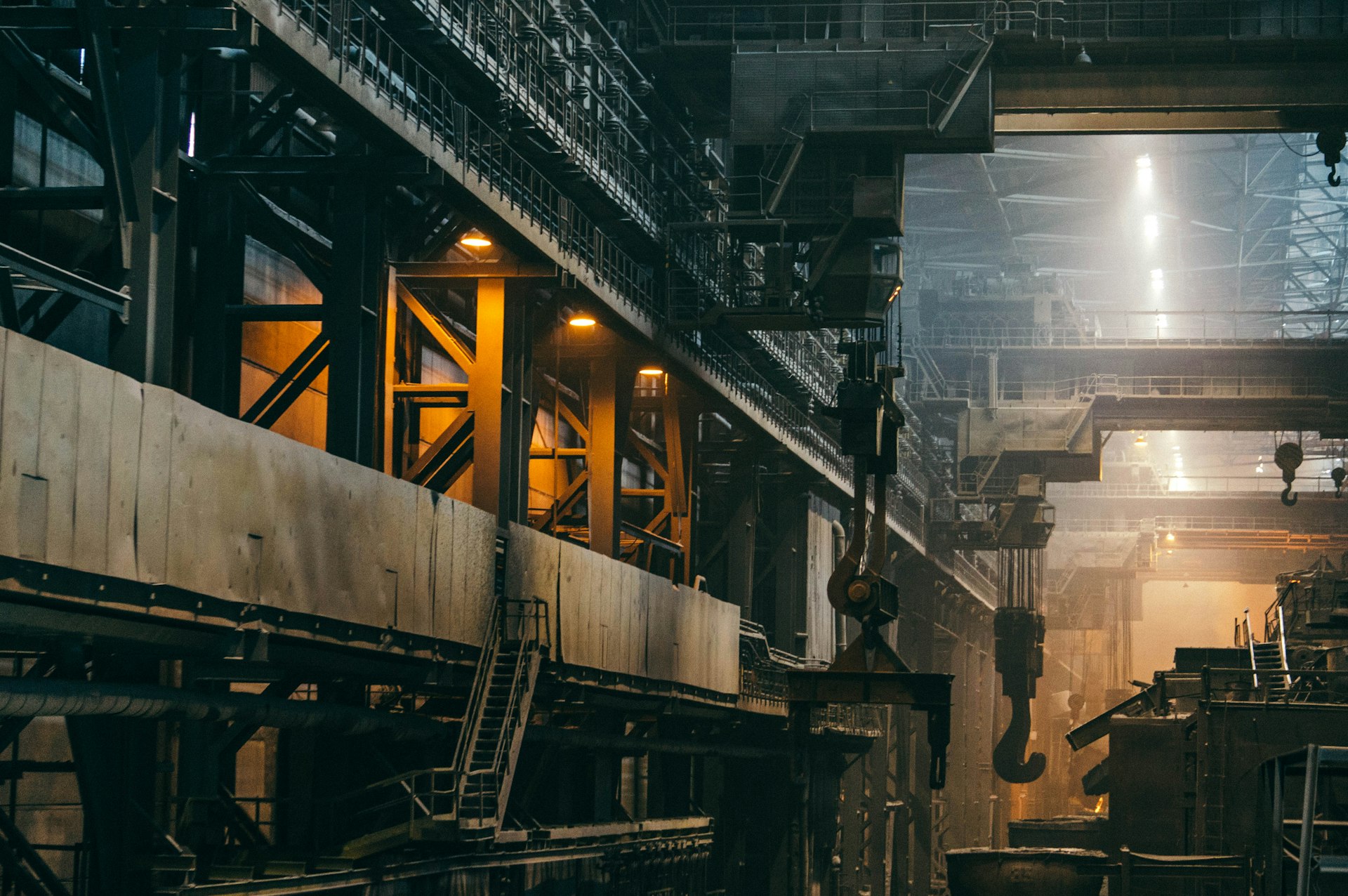
For decades, manufacturing has been defined by successive waves of technological advancement, each redefining the boundaries of efficiency and productivity. From the assembly lines of the Industrial Revolution to the interconnected systems of the 21st century, each phase has built on the last to create more sophisticated production environments. Today, the industry is entering a new era that moves beyond purely automated systems to embrace a more holistic approach that integrates human insight with cutting-edge technology.
Previous industrial frameworks focused heavily on digitization and automation, connecting machines and systems to collect and analyze data in real time. This approach delivered significant gains in speed and consistency, but it also highlighted gaps in flexibility and adaptability. For example, highly automated lines often struggled to adjust to small-batch, customized orders without extensive reconfiguration, leading to delays and increased costs. The latest industrial framework addresses these limitations by centering human workers as key contributors to the production process, leveraging their problem-solving abilities, creativity, and emotional intelligence to complement automated systems.
In modern smart production facilities, human workers and automated systems operate in tandem rather than in isolation. Automated machines handle repetitive, physically demanding, or high-precision tasks that require consistent performance over long periods, while human workers focus on tasks that demand critical thinking, decision-making, and adaptability. For instance, a robotic arm might assemble complex components with micron-level accuracy, while a human technician monitors the process, adjusts parameters as needed, and troubleshoot unexpected issues. This collaboration not only improves overall efficiency but also reduces worker fatigue and the risk of injury, creating safer and more satisfying work environments.
Advanced technologies like augmented reality (AR) are playing a key role in facilitating this collaboration. AR headsets can overlay real-time data, instructions, and visual cues onto a worker’s field of view, helping them to perform complex tasks more quickly and accurately. For example, a technician using an AR headset can receive step-by-step guidance for repairing a machine, with digital overlays highlighting the exact parts that need attention and the tools required for the job. This reduces the need for extensive training and allows workers to handle a wider range of tasks with confidence.

Several companies have already begun implementing these integrated systems with impressive results. A European automotive manufacturer, for example, has redesigned its production lines to include collaborative robots, or cobots, that work alongside human workers to assemble vehicle interiors. The cobots handle heavy lifting and repetitive tasks, while workers focus on installing custom features and ensuring quality control. This has reduced production time by 20% and increased worker satisfaction, as employees are no longer stuck performing physically strenuous or monotonous tasks.
Another example comes from a consumer electronics company that uses AI-powered quality control systems to detect defects in products. The AI system scans each product as it moves down the line, flagging potential issues for human inspectors to review. This combination of AI and human oversight has reduced defect rates by 35% and allowed inspectors to focus on more complex quality checks, rather than spending hours scanning for minor flaws.
For workers, this new approach to manufacturing offers several key benefits. It reduces the risk of repetitive strain injuries and other work-related health issues, as automated systems handle the most physically demanding tasks. It also provides opportunities for upskilling, as workers learn to operate and collaborate with advanced technologies. Many companies are investing in training programs to help workers develop new skills in areas like data analysis, AR technology, and robot programming, opening up new career paths within the industry.
For businesses, the benefits are equally significant. Integrated production systems are more flexible, allowing companies to quickly adjust to changes in demand or customer preferences. This is particularly important in today’s fast-paced market, where consumers increasingly expect customized products and quick delivery times. These systems also improve quality control, as human workers can catch subtle defects that automated systems might miss, and reduce downtime, as technicians can quickly troubleshoot issues with the help of real-time data and AR tools.
As technology continues to evolve, the integration of human workers and automated systems will become even more sophisticated. AI systems will become better at understanding human intent, allowing for more seamless collaboration between people and machines. For example, an AI-powered assistant might anticipate a worker’s needs, providing them with the tools and information they need before they even ask. This will further improve efficiency and reduce the time workers spend on administrative or logistical tasks.
Additionally, the use of sustainable technologies will become more prevalent in smart production environments. Companies will increasingly focus on reducing waste, conserving energy, and using eco-friendly materials, as consumers and regulators demand more sustainable practices. Integrated manufacturing systems will play a key role in this, as they allow for more precise control over production processes, reducing material waste and energy consumption.
Overall, the evolution of manufacturing is not about replacing human workers with machines, but about creating a more balanced and collaborative environment that leverages the strengths of both. This approach is not only improving productivity and efficiency but also creating more meaningful and satisfying work for employees, ensuring that the manufacturing industry remains competitive and resilient in the years to come.
MORE FROM lowcostbotox.com