
Technology
Serverless Computing: The Backbone of Scalable, Cost-Effective Modern Applications

Over the past decade, a quiet revolution has taken hold in the world of outdoor recreation, as more people seek out ways to engage with nature beyond the constraints of paved roads and well-marked trails. What began as a niche pastime for cyclists looking to escape crowded urban routes has grown into a global movement that blends the endurance of road cycling with the ruggedness of backcountry adventure. This shift reflects a broader cultural desire for authentic, unscripted experiences-moments where every turn brings a new view, every climb tests physical limits, and every descent offers a rush of pure joy.
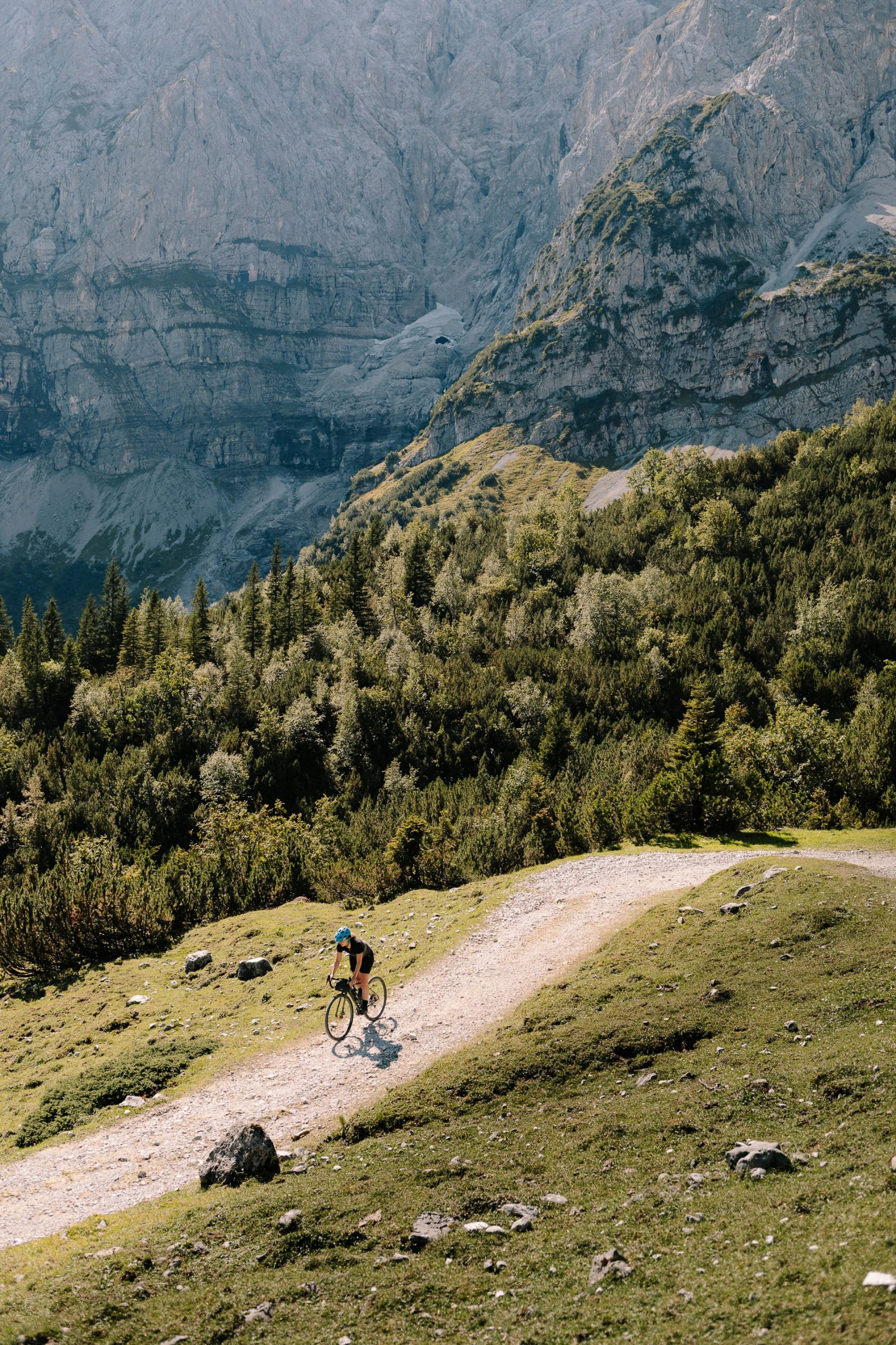
Unlike traditional road cycling, which relies on smooth, maintained surfaces, this form of exploration embraces the unpredictability of gravel, dirt, and packed earth paths. These routes wind through rolling farmlands, dense forests, arid deserts, and mountain valleys, opening up access to remote areas that are often inaccessible by car or even mountain bike. Enthusiasts often describe it as a way to “slow down and see more,” as the slower pace on rough terrain allows for a deeper appreciation of the surrounding environment-from the sound of wind through grasslands to the sight of wildlife darting into the underbrush.
To thrive in this type of outdoor activity, the right gear is essential, but it doesn’t require the most expensive or specialized equipment. Frames are typically designed to be stiffer than mountain bikes for efficient pedaling on flat sections, yet more flexible than road bikes to absorb the shock of rough terrain. Steel frames remain a popular choice for their durability and ability to dampen vibrations, while carbon fiber frames offer a lighter option for those looking to reduce weight on long climbs.
Tire selection is another critical factor. Most riders opt for tires between 38mm and 45mm wide, with a tread pattern that balances grip on loose gravel and speed on hard-packed dirt. Tubeless tires are increasingly common, as they reduce the risk of punctures from sharp rocks or thorns-a major concern on remote routes where repair options are limited. Gearing systems also tend to have a wider range than road bikes, with lower gears to tackle steep, uneven climbs and higher gears for faster sections on smooth gravel.

Safety gear should never be overlooked. A well-fitting helmet is non-negotiable, as falls on rough terrain can lead to serious injuries. Many riders also carry a lightweight first aid kit, a multi-tool for minor repairs, a spare tube or patch kit, and a portable pump. For longer adventures, hydration packs or additional bottle cages are essential to stay hydrated, especially in hot or dry climates.
Engaging in these outdoor pursuits offers a host of physical benefits that extend beyond basic cardiovascular fitness. The constant adjustment to uneven terrain works core muscles, improving balance and stability. Climbing steep gravel hills builds leg strength and endurance, while navigating descents requires quick reflexes and coordination. Over time, regular participation can lead to improved overall fitness, increased stamina, and better body awareness.
Equally important are the mental benefits. Spending time in nature has been shown to reduce stress, lower anxiety, and improve mood. The focus required to navigate rough terrain forces riders to be present in the moment, setting aside worries about work or daily life. Many enthusiasts report that these journeys provide a sense of clarity and perspective, helping them to reconnect with their own values and priorities.
For some, the challenge of completing a long, difficult route is a source of personal pride and accomplishment. Whether it’s a 50-mile day ride or a multi-day expedition, each journey offers an opportunity to push personal limits and discover new strengths. The sense of freedom that comes from being self-sufficient in the wilderness is unmatched, as riders rely on their own skills and preparation to navigate the path ahead.
One of the most appealing aspects of this movement is the strong sense of community that surrounds it. Enthusiasts gather for group rides, local events, and international races, sharing stories, tips, and encouragement. Online forums and social media groups provide a space for riders to connect with others who share their passion, regardless of location. These communities often organize group trips to remote locations, allowing riders to explore new routes with the support of experienced companions.
Large-scale events like the Unbound Gravel race in Kansas attract thousands of participants from around the world, showcasing the growing popularity of this activity. But it’s not just about competition-many events emphasize camaraderie and fun, with post-ride gatherings where riders share food, drinks, and stories of their day on the trail. Local clubs often organize beginner-friendly rides, helping new enthusiasts learn the basics and feel welcome in the community.
If you’re new to this type of outdoor activity, it’s important to start small and build gradually. Begin with short, flat routes on well-maintained gravel roads to get used to the feel of your bike on rough terrain. As you gain confidence, you can tackle longer routes with more elevation gain and technical sections.
Route planning is key to a successful adventure. Use mapping apps to find local gravel routes, and pay attention to factors like elevation gain, terrain type, and access to water and rest stops. Check the weather forecast before you go, as rain can turn gravel roads into muddy, slippery messes that are difficult to navigate. It’s also a good idea to let someone know your route and expected return time, especially if you’re riding alone.
Training is another important part of preparation. Incorporate strength training exercises into your routine to build core and leg strength, and practice riding on rough terrain to improve your balance and handling. Gradually increase the length and difficulty of your rides to build endurance, and make sure to rest and recover properly between sessions.
There are countless incredible regions around the world to explore through these outdoor pursuits. In the United States, the Flint Hills of Kansas offer hundreds of miles of rolling gravel roads through tallgrass prairies, with stunning views of the surrounding landscape. The Dolomites in Italy provide challenging mountain routes with breathtaking alpine scenery, while the Canterbury Plains in New Zealand offer flat, fast gravel roads through farmland and vineyards.
In Europe, the Camino de Santiago has become a popular route for adventure cyclists, with sections of gravel and dirt paths that wind through small villages and historic towns. In Africa, the gravel roads of the Serengeti offer the chance to see wildlife up close while enjoying the freedom of the open road. No matter where you are in the world, there’s likely a gravel route waiting to be explored.
As you delve deeper into this world of outdoor exploration, you’ll discover that each route has its own unique character and challenges. Whether you’re looking for a quiet day ride through local farmlands or a multi-day expedition through remote mountains, there’s something for everyone. The key is to stay curious, be prepared, and embrace the unexpected moments that make each journey unforgettable.
MORE FROM lowcostbotox.com