
Technology
Serverless Computing: The Backbone of Scalable, Cost-Effective Modern Applications

From youth soccer leagues to professional football franchises, sports play a central role in fostering physical fitness, teamwork, and personal growth. Yet, as athletic competition grows more intense, the need to address the hidden impacts of physical activity on cognitive well-being has become increasingly urgent. For decades, sports medicine professionals have worked to refine approaches to protecting athletes, but there is still much to learn about how to support long-term cognitive health both during and after an athletic career.
Physical impacts, even those that do not result in a diagnosed concussion, can accumulate over time to affect brain function. Research in sports medicine has shown that repeated subconcussive hits-common in sports like soccer, basketball, and American football-may contribute to subtle changes in memory, attention, and mood over years of play. These changes often go unnoticed in the short term, making it critical for coaches, trainers, and athletes to prioritize proactive measures rather than reactive treatment.
Different sports present varying levels of risk. Contact sports like rugby and ice hockey have long been associated with higher concussion rates, but non-contact sports are not exempt. Gymnasts, for example, face risks from falls, while cyclists may experience head injuries from collisions or crashes. Understanding these sport-specific risks is the first step in developing targeted prevention strategies.
One of the most effective prevention measures is ensuring athletes use properly fitted, certified protective equipment. Helmets, for instance, should be replaced regularly to maintain their shock-absorbing capabilities, and mouthguards can reduce the risk of dental injuries as well as minimize the force of impacts to the head. However, equipment alone is not enough; rule enforcement plays a key role. Leagues and teams should strictly enforce rules against dangerous plays, such as head-first tackling in football or intentional elbowing in basketball, to reduce the number of high-impact collisions.
Baseline cognitive testing is another valuable tool. This involves assessing an athlete’s memory, reaction time, and attention span during a period of good health. If an athlete sustains a head injury, this baseline can be used to compare post-injury cognitive function, helping medical professionals determine when it is safe for the athlete to return to play. Many youth sports programs and professional leagues have adopted baseline testing as a standard part of their pre-season protocols.
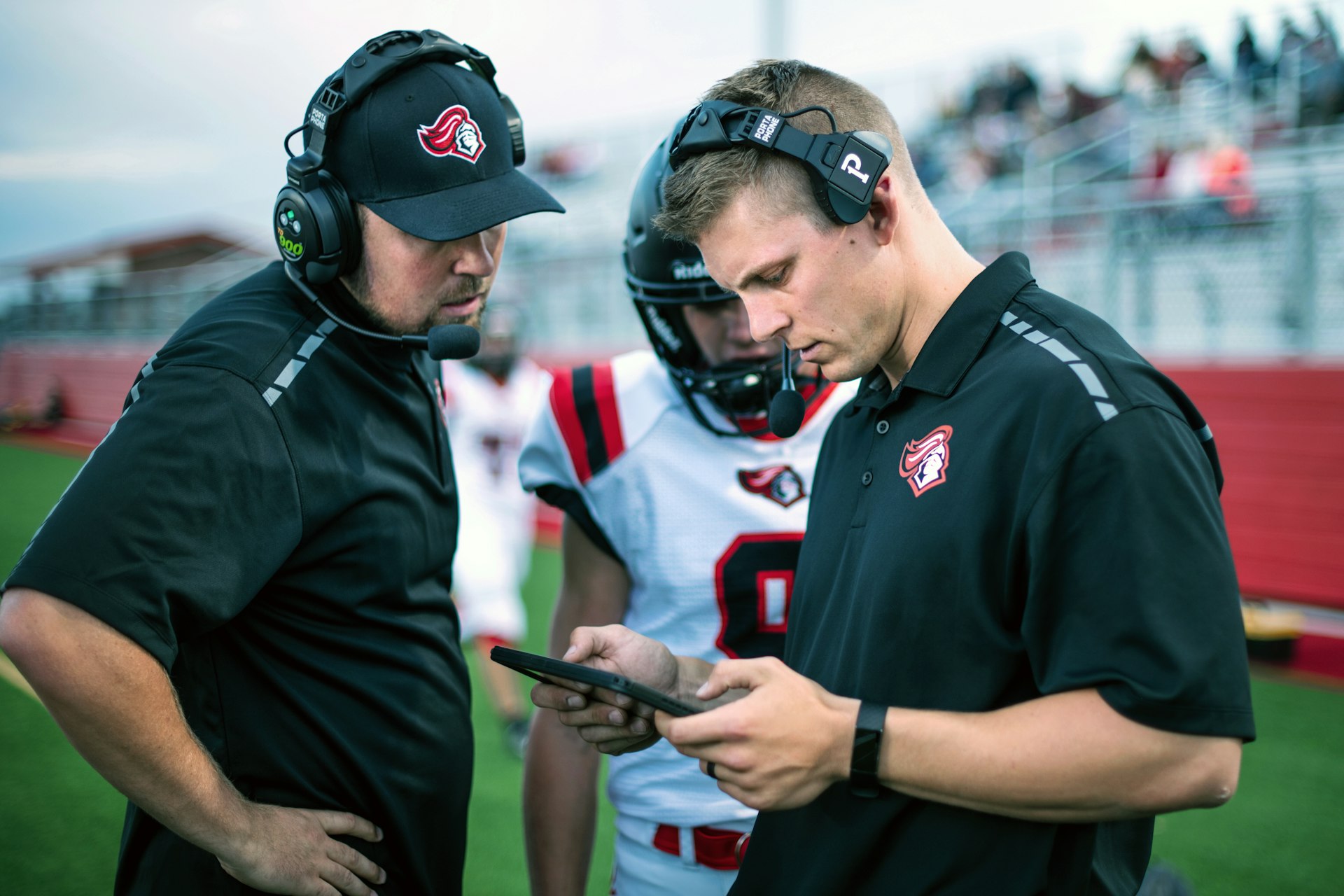
Coaches and trainers also play a critical role in prevention. They should receive regular training on recognizing the signs of cognitive strain, such as confusion, dizziness, or changes in mood, and be empowered to remove athletes from play immediately if these signs are present. Additionally, training programs should include exercises to improve neck strength, as stronger neck muscles can reduce the force of impacts to the head during a collision.
If an athlete does sustain a concussion, the focus should be on gradual, supervised recovery. Cognitive rest-limiting activities that require mental effort, such as studying, using electronic devices, or playing video games-is essential in the first few days after an injury. As symptoms improve, athletes can gradually reintroduce these activities under the guidance of a medical professional.
Nutrition also plays a role in brain recovery. Foods rich in omega-3 fatty acids, such as salmon and walnuts, support brain cell health, while antioxidants like those found in berries and leafy greens can help reduce inflammation in the brain. Staying hydrated is also important, as even mild dehydration can worsen cognitive symptoms.

Mental health support is another key component of post-injury recovery. Athletes may experience frustration, anxiety, or depression as they navigate the recovery process, and having access to a mental health professional can help them cope with these emotions. Additionally, athletes should be encouraged to communicate openly with their coaches and trainers about their symptoms to ensure they are not pressured to return to play too soon.
Creating a culture of brain wellness requires collaboration across all levels of sports. Youth sports programs should prioritize education for parents, coaches, and athletes about the importance of cognitive health, while professional leagues should invest in research to develop more effective prevention and treatment strategies. Athletes themselves can also play a role by advocating for safer playing conditions and speaking out about their own experiences with cognitive strain.
Long-term, the goal is to shift the focus from winning at all costs to supporting athletes’ overall well-being. This means recognizing that an athlete’s value extends beyond their performance on the field, and that protecting their cognitive health is an essential part of supporting their success both in sports and in life.
As sports medicine continues to evolve, new strategies for protecting cognitive health will emerge. By staying informed and proactive, coaches, trainers, athletes, and parents can help ensure that sports remain a source of joy and growth for generations to come, while also safeguarding the long-term well-being of those who participate.
MORE FROM lowcostbotox.com