
Technology
Bridging the Digital Divide: How Next-Gen Satellite Tech Connects Remote Areas

For decades, coaches and athletes have recognized that sleep is more than just a period of rest-it’s an active biological process that drives recovery and adaptation. Every night, the body cycles through four distinct sleep stages: light sleep, deep sleep, and rapid eye movement (REM) sleep, each playing a unique role in supporting athletic function. Deep sleep, which occurs in the first half of the night, is critical for physical recovery; during this stage, the body releases growth hormone, which repairs damaged muscle tissue, synthesizes new proteins, and replenishes glycogen stores depleted during training. REM sleep, concentrated in the latter half of the night, supports cognitive functions like memory consolidation, decision-making, and reaction time-skills that are just as important for athletes as physical strength.

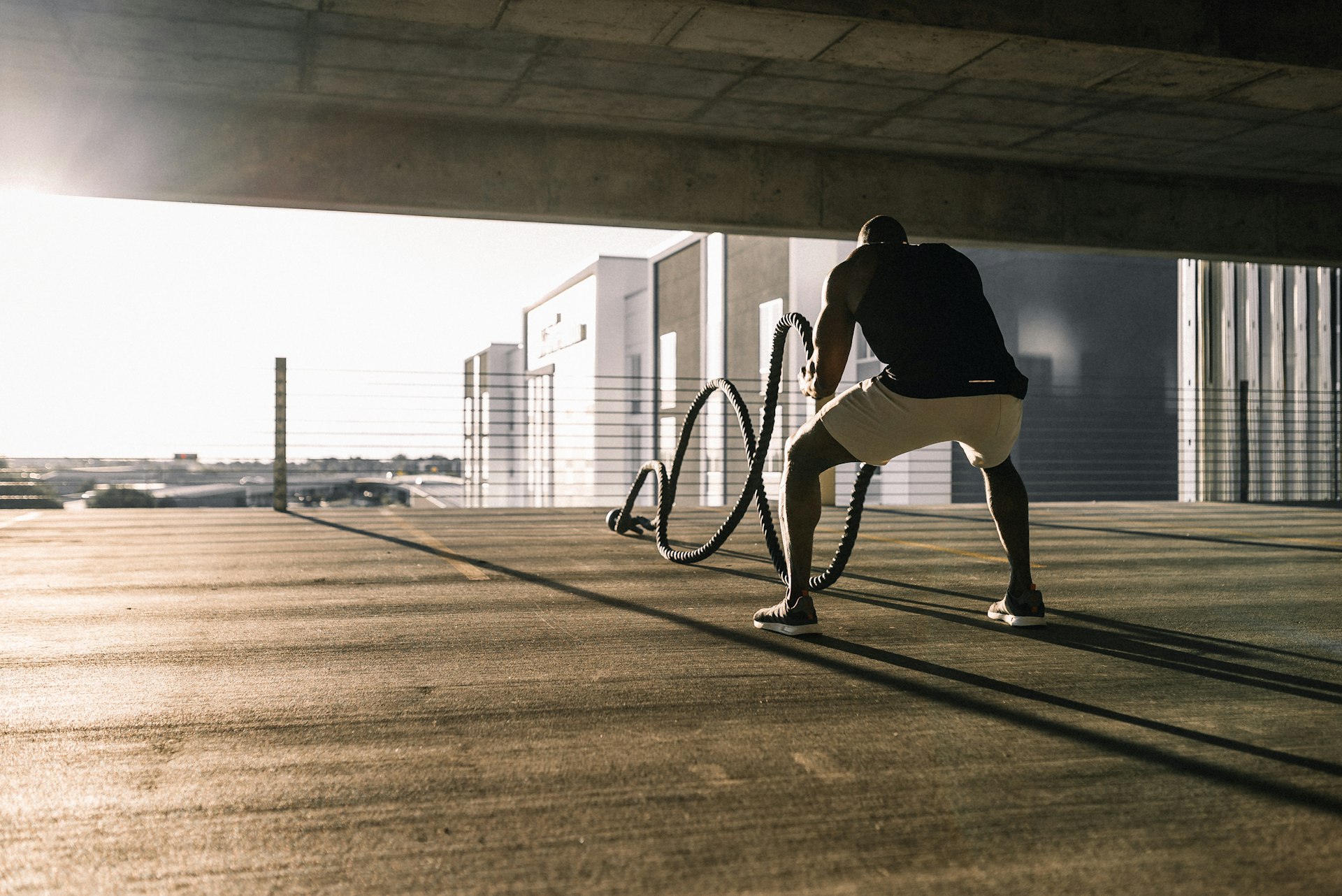
Endurance athletes, such as long-distance runners or cyclists, rely heavily on sleep to maintain glycogen levels, which are the primary fuel source for prolonged exercise. A 2019 study published in the “Journal of Sleep Research” found that athletes who slept 8.5 hours per night had 20% higher glycogen stores than those who slept 6 hours, leading to improved performance in endurance trials. For strength athletes, deep sleep stages facilitate muscle hypertrophy; without sufficient deep sleep, the body cannot effectively repair micro-tears in muscle fibers caused by weightlifting, leading to slower gains and increased risk of overtraining.
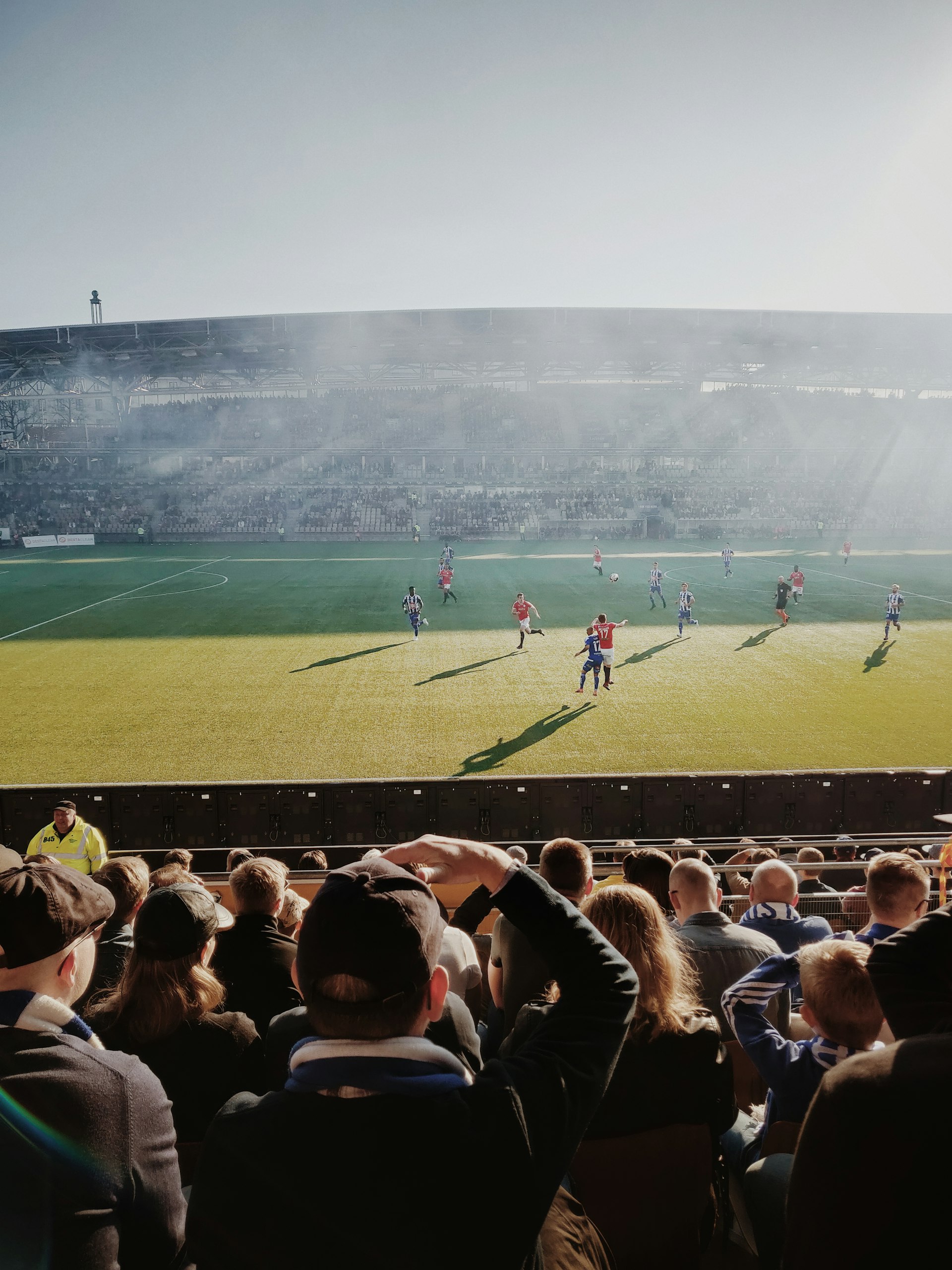
Cognitive performance is another area where sleep has a profound impact. Athletes in sports like basketball, soccer, or tennis need quick reaction times and split-second decision-making to outmaneuver opponents. A 2021 study in the “Journal of Sports Sciences” showed that athletes who slept less than 7 hours per night had a 15% slower reaction time and made 25% more errors during game-like drills compared to those who slept 9 hours. Additionally, sleep plays a role in mood regulation; insufficient sleep can increase irritability, anxiety, and fatigue, all of which can undermine team dynamics and focus during competition.
Consistency is the cornerstone of good sleep hygiene for athletes. Going to bed and waking up at the same time every day-even on weekends-helps regulate the body’s circadian rhythm, making it easier to fall asleep and wake up feeling refreshed. Athletes should aim for 7-9 hours of sleep per night, though some may need up to 10 hours during periods of intense training or recovery from injury.
Creating a sleep-friendly environment is also essential. The bedroom should be dark, quiet, and cool (between 60-67°F or 15-19°C). Blackout curtains can block streetlights, while white noise machines or earplugs can mask disruptive sounds. Athletes should also avoid screens (phones, tablets, TVs) for at least an hour before bed, as the blue light emitted by these devices suppresses the production of melatonin, the hormone that regulates sleep.
Pre-sleep routines can signal to the body that it’s time to wind down. Activities like reading a physical book, taking a warm bath, or practicing gentle stretching or meditation can help reduce stress and prepare the body for sleep. Athletes should also avoid heavy meals, caffeine, and alcohol in the hours before bed; caffeine can stay in the system for up to 6 hours, while alcohol disrupts deep sleep and REM sleep stages, even if it helps with falling asleep initially.
One common mistake athletes make is using sleep aids to compensate for poor sleep hygiene. Over-the-counter sleep aids can have side effects like grogginess the next day, which can impair performance. Prescription sleep aids should only be used under the guidance of a healthcare provider, as they can be habit-forming and may interact with other medications.
Another pitfall is neglecting sleep during travel. Jet lag can disrupt the circadian rhythm, leading to fatigue and reduced performance. Athletes can mitigate jet lag by adjusting their sleep schedule a few days before travel, staying hydrated, and getting exposure to natural light upon arrival at their destination.
While the strategies above provide a solid foundation, every athlete is unique, and what works for one may not work for another. Some athletes may benefit from tracking their sleep using wearable devices, which can provide insights into sleep stages, duration, and quality. Others may need to work with a sleep specialist to address underlying sleep disorders like sleep apnea, which is more common in athletes than the general population, especially those in contact sports.
As research into sleep and athletic performance continues to evolve, new strategies and insights will emerge. Athletes who prioritize sleep as an integral part of their training regimen will be better positioned to achieve their goals, stay healthy, and compete at their best for years to come. Exploring personalized sleep plans and collaborating with healthcare professionals can help athletes refine their approach and unlock even greater levels of performance.
MORE FROM lowcostbotox.com