
Technology
Navigating the Shift: The Evolution of Wireless Connectivity and Emerging Standards

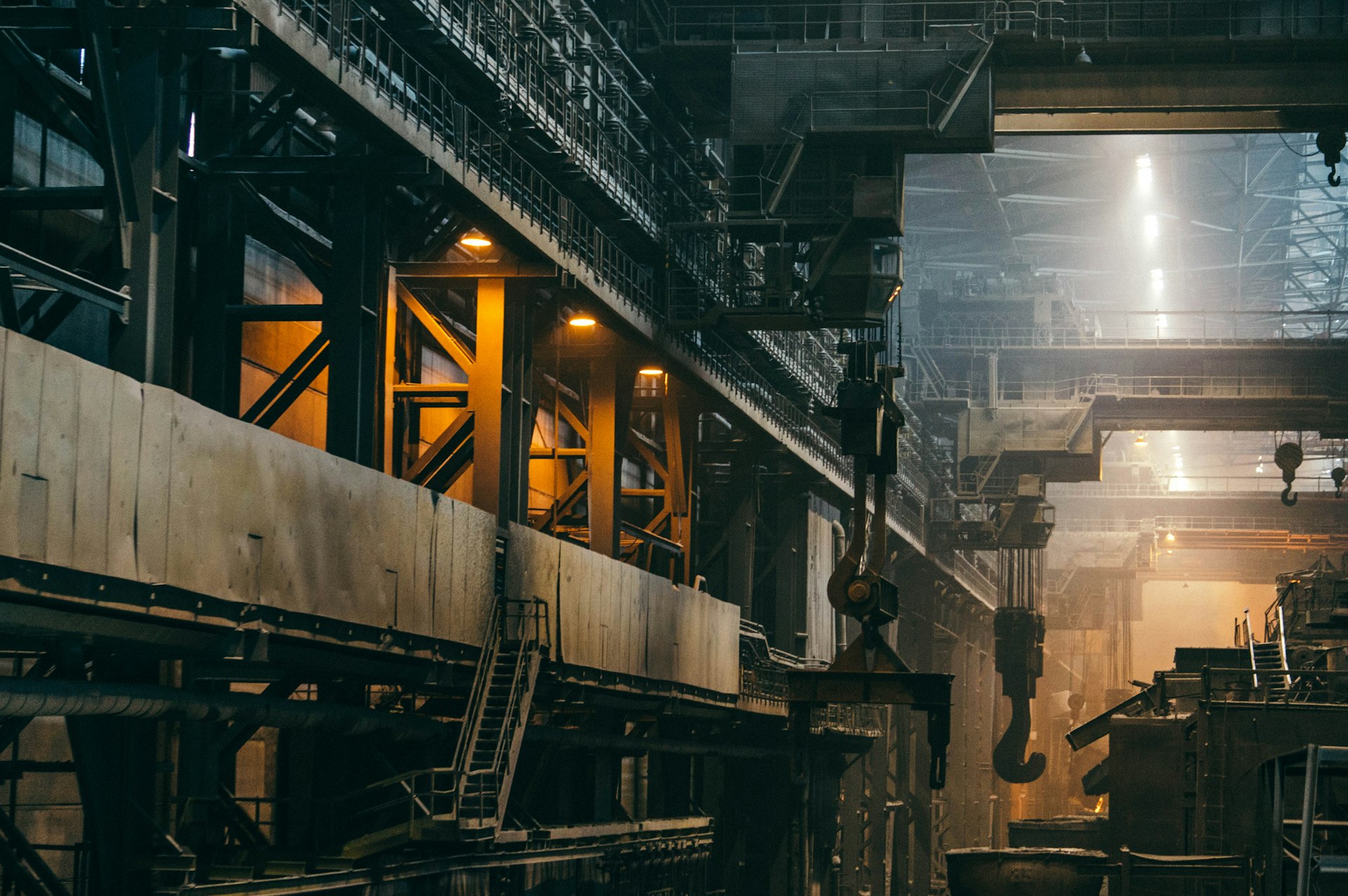
Industrial workplaces have long been at the forefront of technological adoption, from assembly lines to automated machinery. In recent years, a new wave of innovation has begun to transform these spaces, focusing on systems that can mimic human movement and decision-making to tackle tasks that were once exclusive to human hands.
One of the key advantages of these advanced systems is their ability to navigate unstructured environments within factories and production facilities. Unlike traditional fixed automation, which is limited to pre-programmed actions in controlled spaces, these systems can adjust their movements in real time to handle unexpected obstacles or variations in task parameters. For example, in automotive manufacturing, they can assist with the installation of delicate components that require precise, human-like dexterity, reducing the risk of damage and improving consistency across production runs.

In logistics and warehousing, these systems can move freely between shelves, pick up items of varying sizes and weights, and pack them for shipment. This flexibility allows companies to adapt quickly to changes in demand, without the need for extensive reconfiguration of their workspaces. Additionally, their ability to work continuously without fatigue makes them ideal for tasks that require long hours of operation, such as overnight inventory checks or continuous assembly processes.
A critical aspect of integrating these systems into industrial settings is their ability to work alongside human employees. Many organizations are implementing collaborative models where these systems handle repetitive, physically demanding, or high-risk tasks, freeing up human workers to focus on more complex, creative, and strategic activities. For instance, in metal fabrication, these systems can handle heavy lifting and precise cutting tasks, reducing the risk of injury to workers and improving overall productivity.
Collaboration also extends to training and knowledge sharing. Human workers can program and supervise these systems, using their expertise to optimize performance and troubleshoot issues. This creates new opportunities for upskilling, as workers learn to operate and maintain advanced technological systems, enhancing their value in the workforce. Moreover, the data collected by these systems can be analyzed by human teams to identify inefficiencies in workflows and develop strategies for improvement.
As these systems become more prevalent in industrial workplaces, ensuring their safe operation is a top priority. Regulatory bodies around the world are developing guidelines and standards to govern their use, focusing on aspects such as collision avoidance, emergency stop mechanisms, and human-machine interaction protocols. For example, the International Organization for Standardization (ISO) has published standards that outline requirements for the safety of collaborative systems in industrial environments, including risk assessment procedures and performance criteria.
Organizations are also investing in advanced safety technologies, such as sensors and cameras, to monitor the interaction between these systems and human workers. These technologies can detect potential hazards in real time, triggering immediate stops or adjustments to prevent accidents. Additionally, companies are implementing training programs to educate workers on how to interact safely with these systems, including best practices for working in shared spaces and recognizing potential risks.
The integration of these systems into industrial workplaces brings significant changes to the skill requirements of the workforce. While some routine tasks may be automated, new roles are emerging that require expertise in programming, maintenance, and data analysis. To prepare for these changes, organizations are partnering with educational institutions to develop training programs that equip workers with the necessary skills to operate and maintain these advanced systems.
For example, community colleges and technical schools are offering courses in robotics programming, machine learning, and industrial automation, providing workers with the opportunity to upskill and transition into new roles. Additionally, many companies are implementing apprenticeship programs that combine on-the-job training with classroom learning, allowing workers to gain hands-on experience while developing their technical skills. This approach not only helps workers adapt to the changing industrial landscape but also ensures that organizations have a skilled workforce to support their technological initiatives.
The future of industrial workplaces is likely to see continued growth in the adoption of these advanced systems, driven by advancements in artificial intelligence, machine learning, and sensor technology. As these systems become more intelligent and capable, they will be able to handle increasingly complex tasks, further transforming the way industrial operations are conducted.
One area of potential growth is in the field of predictive maintenance, where these systems can use data analysis to identify potential equipment failures before they occur, reducing downtime and improving operational efficiency. Additionally, the integration of these systems with other technologies, such as the Internet of Things (IoT) and cloud computing, will enable real-time data sharing and collaboration across different parts of the industrial ecosystem, creating more connected and efficient production environments.
As organizations continue to explore the potential of these systems, it is important to prioritize the well-being of workers and ensure that technological advancements are used to enhance, rather than replace, human expertise. By fostering a culture of collaboration and continuous learning, organizations can create sustainable, future-ready industrial workplaces that benefit both employees and the bottom line.
MORE FROM lowcostbotox.com