
Technology
Navigating the Shift: The Evolution of Wireless Connectivity and Emerging Standards

For decades, equipment maintenance has followed reactive or scheduled models. Reactive maintenance fixes issues after they occur, leading to unexpected downtime and higher repair costs, while scheduled maintenance often results in unnecessary service visits for equipment that’s still functioning optimally. A new paradigm has emerged in recent years, driven by advancements in connected technology, that changes how organizations manage their physical assets.
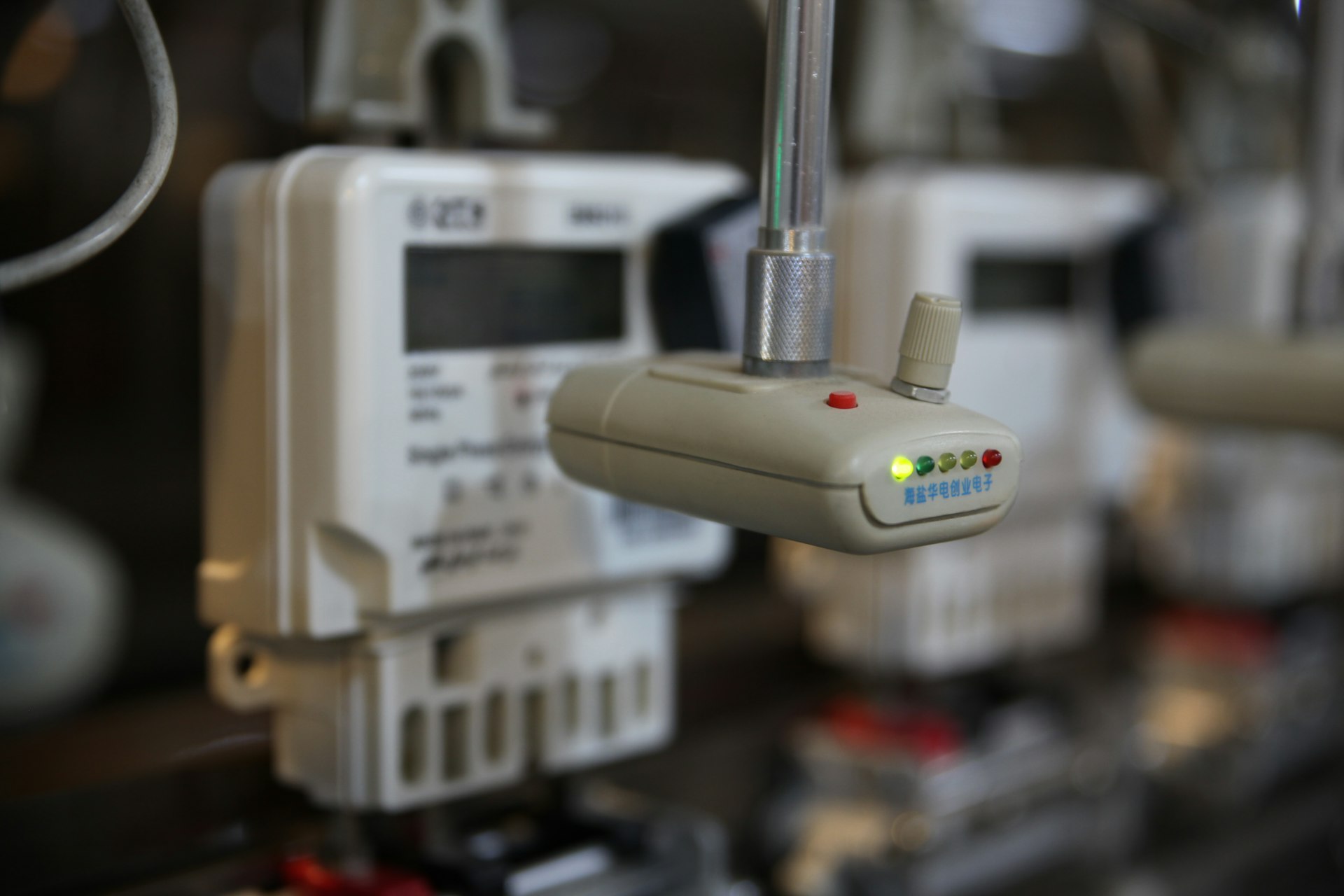
At the core of this paradigm is a system that uses small, connected devices to gather continuous data from equipment. These devices monitor a wide range of parameters, including temperature, vibration, pressure, energy usage, and operating speed. Each sensor is calibrated to track specific metrics relevant to the equipment’s performance; for example, vibration sensors on a motor can detect unusual patterns that signal bearing wear, while temperature sensors on a generator can identify overheating before it causes a breakdown.
Once collected, the data is transmitted to a central platform, either via wired connections or wireless protocols like Wi-Fi, Bluetooth, or cellular networks. For industrial settings with large numbers of sensors, edge computing devices may be used to process data locally first, reducing bandwidth usage and enabling faster response times for critical alerts. The central platform then uses advanced analytics tools, including machine learning algorithms, to analyze the data and identify patterns that indicate potential failures.
Machine learning models are trained on historical data from similar equipment, including past failures, maintenance records, and operating conditions. Over time, these models become more accurate at predicting when a component is likely to fail, allowing maintenance teams to schedule repairs during planned downtime windows. This not only reduces unplanned outages but also optimizes the use of maintenance resources, as technicians can focus on equipment that actually needs attention.

Real-world applications of this approach span multiple industries. In manufacturing, for example, automotive plants use connected sensors to monitor production line robots. By detecting minor anomalies in robot movement or power consumption, the system can alert technicians to perform preventive maintenance, avoiding costly line shutdowns. In the energy sector, wind farms use sensors to monitor turbine blades, gearboxes, and generators. Predictive alerts allow maintenance teams to replace worn components before they fail, ensuring that turbines operate at peak efficiency and reducing the risk of catastrophic damage.
In healthcare, medical equipment like MRI machines and infusion pumps are equipped with sensors to monitor their performance. Predictive maintenance ensures that these critical devices are always operational, reducing the risk of delays in patient care. In transportation, fleet management companies use sensors to monitor engine performance, tire pressure, and brake systems in trucks and delivery vehicles. This allows them to schedule maintenance before a breakdown occurs, improving safety and reducing delivery delays.
The benefits of this approach extend beyond reduced downtime and lower repair costs. By extending the lifespan of equipment, organizations can delay capital expenditures on new assets. Additionally, predictive maintenance helps to improve energy efficiency, as well-maintained equipment operates more efficiently than equipment that’s nearing failure. This not only reduces operational costs but also has a positive environmental impact by lowering energy consumption.
Despite these benefits, there are several challenges to implementing this system. One of the biggest challenges is the cost of installing sensors and setting up the necessary infrastructure, especially for older equipment that wasn’t designed to be connected. Another challenge is data security, as connected devices are vulnerable to cyberattacks. Organizations must implement robust security measures to protect their data and prevent unauthorized access to their equipment.
Data management is another challenge, as the system generates large amounts of data that must be stored, processed, and analyzed. Organizations need to invest in scalable data storage solutions and analytics tools to handle this data effectively. Additionally, there is a need for skilled personnel who can manage the system, interpret the data, and maintain the equipment. Many organizations are investing in training programs to upskill their maintenance teams or hiring new employees with expertise in data analytics and connected technology.
Looking to the future, the adoption of this approach is expected to continue growing, driven by advancements in sensor technology, machine learning, and cloud computing. As sensors become smaller, cheaper, and more powerful, they will be integrated into a wider range of equipment, from small office appliances to large industrial machinery. Machine learning algorithms will become more sophisticated, allowing for more accurate predictions and better integration with other systems, like enterprise resource planning (ERP) software.
Additionally, the rise of connected device ecosystems will enable greater connectivity between equipment, creating a more integrated framework for asset management. This will allow organizations to monitor and manage their equipment from anywhere in the world, using mobile devices or cloud-based platforms. The future of equipment maintenance is likely to be more proactive, data-driven, and connected, transforming how organizations manage their physical assets and ensuring that they operate at peak efficiency for longer.
MORE FROM lowcostbotox.com