
Technology
Navigating the Shift: The Evolution of Wireless Connectivity and Emerging Standards

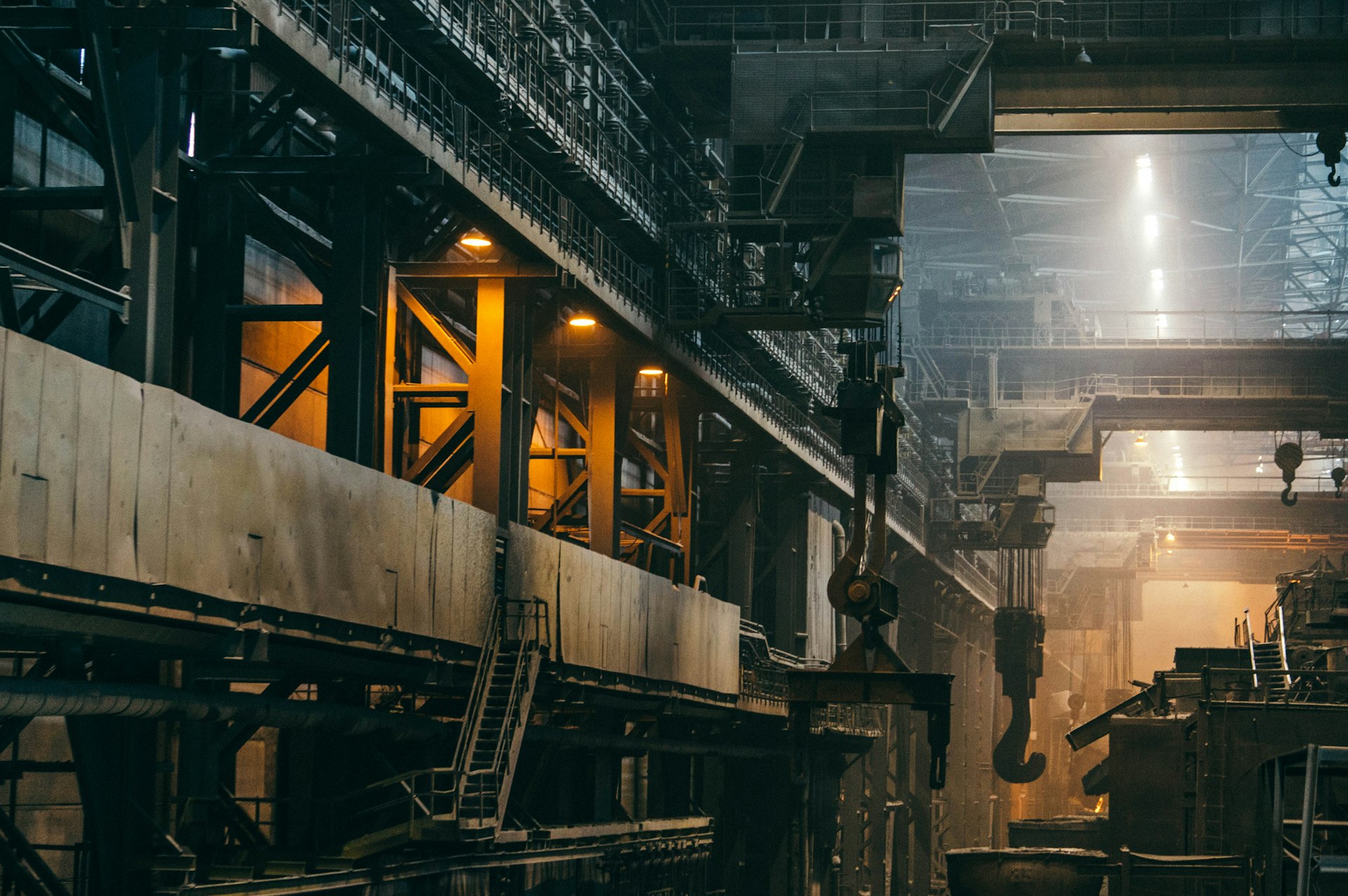
For decades, industrial training has relied on a mix of classroom lectures, printed manuals, and supervised hands-on practice. While these methods have served their purpose, they come with inherent drawbacks. Classroom sessions often fail to translate abstract concepts into practical skills, leaving workers unprepared to handle real-world scenarios. Supervised practice on active machinery carries significant safety risks, especially for new hires who may not yet understand proper protocols. Additionally, scheduling hands-on training can be logistically complex, as it requires taking equipment offline, which disrupts production and increases operational costs. For specialized roles, such as those involving high-value or hazardous equipment, the barriers to effective training are even higher, as access to such tools is often limited to experienced personnel. This creates a cycle where new workers take longer to reach full productivity, and existing staff may miss out on opportunities to update their skills as technology advances.
Recent advancements in digital technology have opened up new possibilities for industrial training, creating immersive environments that replicate real-world work settings without the associated risks. These tools use interactive simulations to place learners in virtual scenarios where they can perform tasks, troubleshoot issues, and make decisions in a controlled space. Learners can repeat exercises as many times as needed to master a skill, receiving immediate feedback on their performance to correct mistakes and refine their approach. This iterative learning process helps build muscle memory and confidence, ensuring that workers are fully prepared to apply their skills in actual industrial settings. Unlike traditional training, which often follows a one-size-fits-all approach, immersive tools can be customized to meet the specific needs of different roles and industries, making them a versatile solution for diverse training challenges.
In manufacturing, these immersive tools are used to train workers on assembly line operations, quality control procedures, and equipment maintenance. For example, a new hire at an automotive plant can practice calibrating a robotic arm in a virtual environment, learning to adjust torque settings, identify potential alignment issues, and troubleshoot common malfunctions without risking damage to expensive machinery or disrupting production schedules. This not only reduces the cost of training but also ensures that workers are fully prepared to handle the task when they move to the actual assembly line. In the oil and gas industry, simulations allow workers to practice responding to emergency situations like pipeline leaks or equipment failures, helping them develop the quick thinking and precise actions needed to mitigate risks in high-pressure environments. Similarly, in the aerospace sector, technicians can practice assembling complex aircraft components, ensuring that they follow strict quality standards before working on actual aircraft. Even in construction, workers can practice operating heavy machinery like cranes or excavators in a virtual space, learning to navigate tight spaces and avoid obstacles without putting themselves or others at risk.

For employers, the primary benefits include improved safety, reduced training costs, and faster onboarding times. By eliminating the need for hands-on practice with real equipment, companies can minimize the risk of accidents and equipment damage, which can lead to costly downtime, medical expenses, and liability claims. A 2022 study by a leading industrial research firm found that companies using immersive training saw a 30% reduction in workplace accidents related to new hires, and a 25% decrease in training-related downtime. Immersive training also allows employers to scale their training programs more easily, as they can train multiple workers simultaneously without additional equipment or supervision. This is particularly valuable for large companies with multiple locations, as it ensures consistent training quality across all sites. For workers, the benefits include a more engaging learning experience, the ability to learn at their own pace, and increased confidence in their abilities. Many workers find that immersive training is more enjoyable than traditional methods, leading to higher retention rates and better overall performance on the job. A survey of industrial workers found that 78% of those who had undergone immersive training felt more prepared for their roles compared to those who had received traditional training.
As digital technology continues to evolve, immersive training tools are expected to become even more sophisticated. Future developments may include the integration of biometric feedback to measure learner engagement and stress levels, allowing trainers to adjust the difficulty of exercises in real time. Additionally, the use of collaborative simulations will enable teams to practice working together on complex tasks, improving communication and coordination in the workplace. As more industries adopt these tools, the gap between theoretical knowledge and practical skills will continue to narrow, leading to a more skilled and efficient workforce. Furthermore, the integration of these tools with existing learning management systems will make it easier for employers to track learner progress and identify areas where additional training is needed. This data-driven approach to training will help companies make more informed decisions about their workforce development strategies, ensuring that they are able to meet the evolving demands of the industrial landscape.
MORE FROM lowcostbotox.com