
Technology
Serverless Computing: The Backbone of Scalable, Cost-Effective Modern Applications

For athletes, the passage of time often brings concerns about declining performance and the ability to stay competitive or active. Many focus on short-term gains without considering how their training impacts their long-term ability to participate in the sports they love. However, a growing body of research highlights the role of specific cardiovascular adaptations in supporting athletic longevity, with one key metric standing out as a critical indicator of both current performance and future resilience.
At the heart of cardiovascular fitness lies a measure that reflects the body’s ability to utilize oxygen during intense exercise. This metric is a strong predictor of overall health, with higher levels associated with reduced risk of chronic disease and longer lifespans. For athletes, maintaining or improving this metric over time can delay the onset of age-related performance declines, allowing them to train and compete at a high level for more years.
As individuals age, several physiological changes occur that impact their cardiovascular function. The heart’s maximum stroke volume decreases, and the body’s ability to deliver oxygen to working muscles declines. These changes typically begin in the third decade of life, with a gradual reduction in key cardiovascular metrics each year. However, research shows that consistent, targeted training can slow or even reverse some of these age-related declines, preserving athletic capacity well into middle age and beyond.
Effective training to support both cardiovascular capacity and longevity requires a balanced approach that combines high-intensity intervals with moderate-intensity steady-state sessions, along with adequate recovery. High-intensity interval training (HIIT) involves short bursts of all-out effort followed by periods of rest or low-intensity activity. Studies have shown that HIIT can significantly improve key cardiovascular metrics in a relatively short time, while also reducing the overall volume of training needed, which minimizes the risk of overuse injuries.
Moderate-intensity steady-state (MISS) training, on the other hand, involves sustained exercise at a pace that allows for conversation but still challenges the cardiovascular system. This type of training builds aerobic endurance and supports the body’s ability to recover from more intense sessions, which is crucial for long-term training consistency. Combining both HIIT and MISS creates a well-rounded program that addresses both immediate performance gains and long-term resilience.
Another important aspect of training for longevity is periodization. Periodizing training involves varying the intensity, volume, and type of exercise over time to prevent plateaus and reduce the risk of injury. For example, an athlete might focus on high-intensity intervals during one phase of training, then shift to longer, moderate-intensity sessions during another phase, followed by a period of active recovery. This approach allows the body to adapt gradually, building strength and endurance without being pushed to the point of burnout.
While training is essential for improving cardiovascular capacity, recovery is equally important for maintaining long-term athletic health. Without adequate recovery, the body cannot adapt to the stress of training, leading to overtraining syndrome, increased injury risk, and accelerated age-related declines. Recovery strategies include proper sleep, nutrition, active recovery sessions (such as walking or yoga), and rest days.
Sleep is particularly critical, as it is during sleep that the body repairs damaged tissues, synthesizes muscle proteins, and regulates hormones that support recovery and performance. Athletes should aim for 7-9 hours of quality sleep each night to maximize the benefits of their training. Nutrition also plays a key role, with a focus on consuming enough calories, protein, and micronutrients to support muscle repair and energy production.
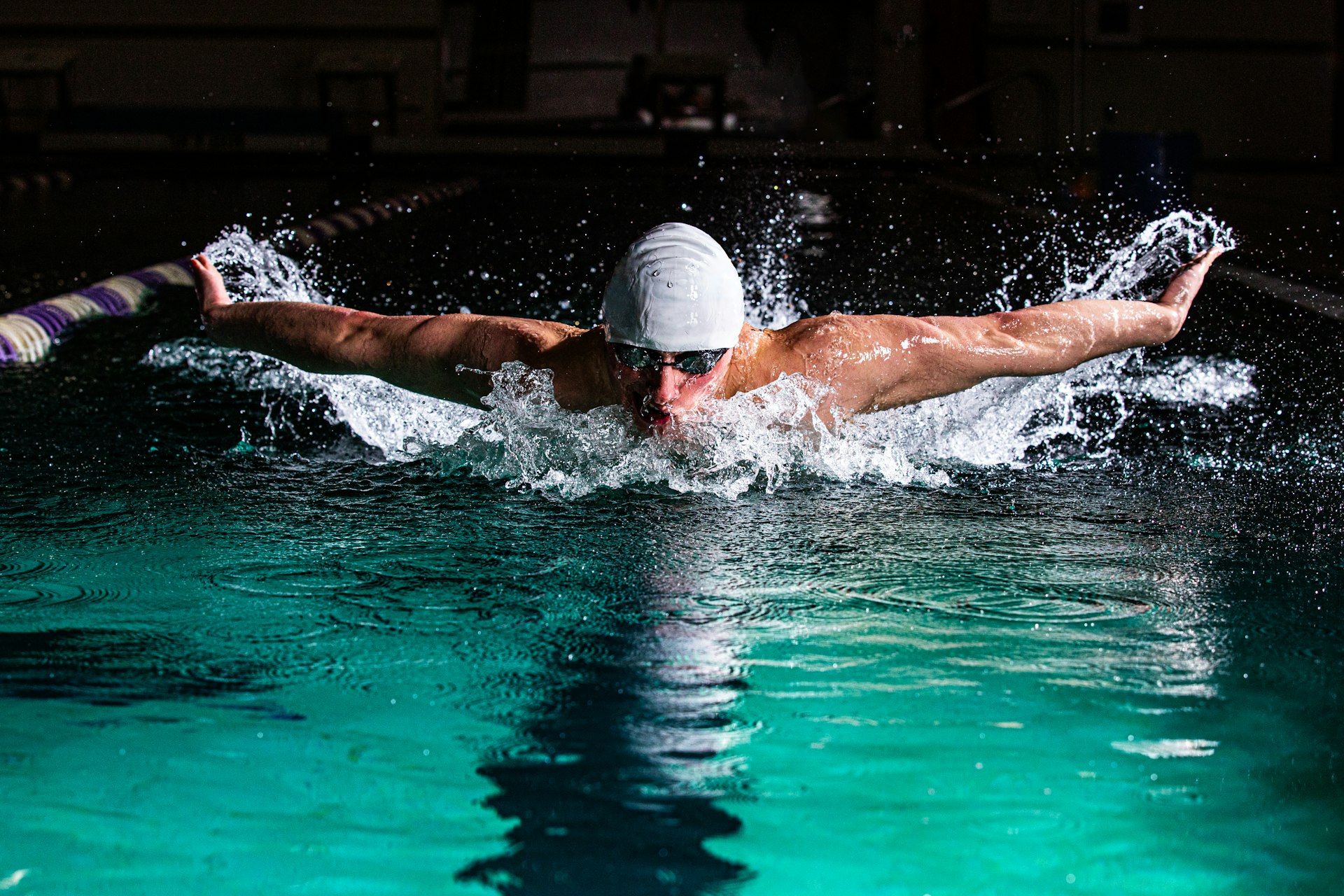
Many elite athletes have demonstrated the power of targeted cardiovascular training in supporting long-term performance. For instance, distance runners in their 40s and 50s who maintain consistent training often continue to compete at a high level, setting age-group records and even competing against younger athletes. Similarly, cyclists and swimmers who prioritize balanced training and recovery have been able to extend their competitive careers by decades.

These examples highlight that athletic longevity is not just about genetics; it is about making intentional choices about training, recovery, and lifestyle. By focusing on improving and maintaining key cardiovascular metrics, athletes can delay the onset of age-related declines and continue to enjoy their sport for many years.
For athletes looking to sustain their performance over time, understanding the link between cardiovascular training and longevity is essential. By adopting a balanced training program that includes both high-intensity and moderate-intensity sessions, along with proper recovery strategies, athletes can improve their cardiovascular capacity, reduce the risk of injury, and extend their athletic careers. As research continues to uncover new insights into the relationship between training and aging, athletes have more tools than ever to make informed choices about their health and performance.
MORE FROM lowcostbotox.com