
Technology
Integrating Decentralized Energy Sources into Modern Grid Systems: A Path Forward

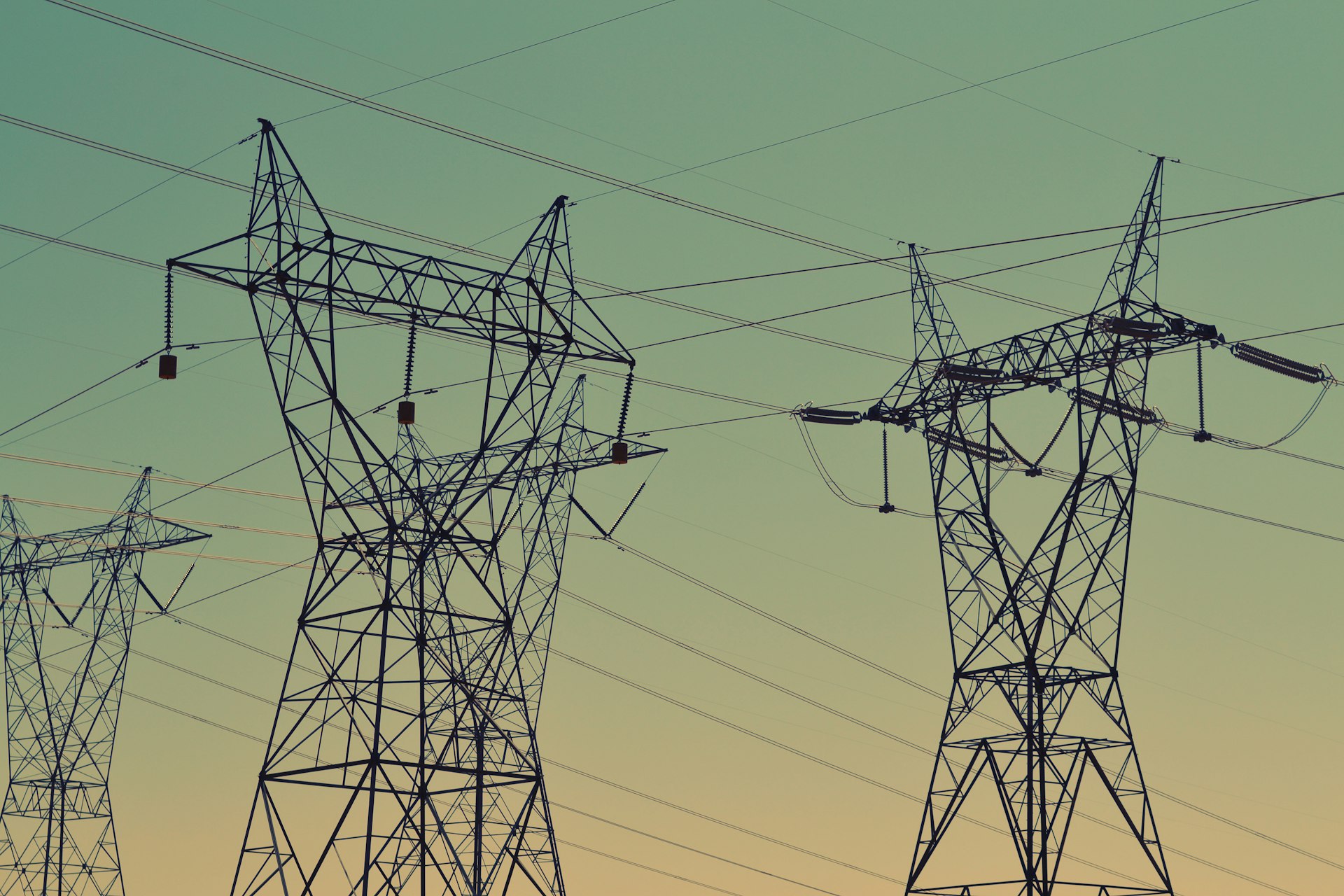
For more than a century, the global energy grid has operated on a centralized model, with large power plants-often fueled by coal, natural gas, or nuclear energy-generating electricity that travels long distances through transmission lines to reach residential and commercial users. This model has provided reliable power to billions, but it faces growing limitations in the face of climate change, shifting consumer expectations, and the rise of renewable energy sources.
Centralized grids are plagued by several key challenges. First, transmission losses are significant: as electricity travels hundreds of miles from a power plant to a home, up to 15% of the energy can be lost due to resistance in power lines. This not only wastes energy but also increases costs for consumers. Second, centralized grids are vulnerable to single points of failure. A single outage at a major power plant or a disruption to a key transmission line can leave entire regions without power for hours or even days. Third, these grids struggle to accommodate variable renewable energy sources like solar and wind, which generate power intermittently based on weather conditions. Without effective storage or management systems, excess energy produced during peak sunlight or wind hours can go to waste, while gaps in production can lead to blackouts.
In recent decades, decentralized energy sources have emerged as a viable alternative to centralized power plants. These include rooftop solar panels, small-scale wind turbines, residential battery storage systems, and community-owned microgrids. Unlike centralized plants, which are owned and operated by large utility companies, decentralized energy systems are often owned by individual consumers, small businesses, or local communities. This shift has turned many consumers into “prosumers”-individuals who both produce and consume electricity.

Decentralized energy offers several benefits. By generating power close to where it is used, it reduces transmission losses and lowers energy costs. It also increases grid resilience: if a centralized plant fails, decentralized sources can continue to power local communities, especially if they are part of a microgrid that operates independently of the main grid. Additionally, decentralized renewables help reduce greenhouse gas emissions, as they rely on clean energy sources instead of fossil fuels.
While decentralized energy sources offer many advantages, integrating them into the existing grid is not without challenges. Variable renewables can create fluctuations in supply, which can disrupt grid stability if not managed properly. This is where smart grid technologies come in. Smart grids use advanced sensors, real-time data analytics, and automated control systems to monitor and manage the flow of electricity across the grid.
One key component of smart grids is Advanced Metering Infrastructure (AMI), which replaces traditional analog meters with digital meters that provide real-time data on energy usage. This allows utility companies to monitor demand patterns and adjust supply accordingly. Demand response systems are another critical tool: these systems incentivize consumers to reduce their energy usage during peak demand periods, helping to balance supply and demand without relying on additional power plants.
Distributed Energy Resource Management Systems (DERMS) are also essential for integrating decentralized energy sources. DERMS collect data from all connected decentralized resources-such as solar panels, battery storage, and electric vehicles-and use algorithms to optimize their performance. For example, a DERMS can direct excess solar energy to charge battery storage systems during the day, then use that stored energy to power homes during the evening when solar production is low. This helps to smooth out fluctuations in supply and ensure grid stability.
Several communities around the world have already successfully integrated decentralized energy sources into their grids using smart technologies. One notable example is the Brooklyn Microgrid in New York City. This community-owned microgrid allows residents with rooftop solar panels to sell excess electricity to their neighbors using a blockchain-based platform. The microgrid also includes battery storage systems, which help to store excess energy and provide power during outages. Since its launch in 2016, the Brooklyn Microgrid has reduced energy costs for participating residents and increased the resilience of the local energy system.
Another example is the German Energiewende initiative, which aims to transition the country to 100% renewable energy by 2050. As part of this initiative, Germany has integrated a large amount of decentralized solar and wind energy into its grid using smart technologies. The country’s smart grid system uses real-time data analytics to manage the flow of electricity from thousands of decentralized producers, ensuring that supply and demand remain balanced. While the initiative has faced challenges, it has demonstrated that large-scale integration of decentralized energy sources is possible with the right technologies and regulatory frameworks.
As the adoption of decentralized energy sources continues to grow, there are several key considerations for grid modernization. First, regulatory frameworks need to be updated to accommodate prosumers and decentralized energy systems. Many existing regulations were designed for centralized grids and do not provide clear guidelines for the integration of decentralized resources. Second, standardization of decentralized energy technologies is essential to ensure compatibility with smart grid systems. Third, cybersecurity is a critical concern: smart grids rely on digital technologies, which makes them vulnerable to cyberattacks. Utility companies need to invest in robust cybersecurity measures to protect grid infrastructure and consumer data.
Finally, investment in grid infrastructure is necessary to support the integration of decentralized energy sources. This includes upgrading transmission lines to accommodate bidirectional power flow (since prosumers can send excess energy back to the grid) and expanding battery storage capacity to store excess renewable energy. While these investments require significant upfront costs, they are essential for building a more sustainable and resilient energy system.
Overall, the integration of decentralized energy sources into modern grid systems represents a significant shift in how we produce and distribute electricity. By combining these sources with smart grid technologies, we can create a more sustainable, resilient, and affordable energy system for future generations. As communities around the world continue to adopt these innovations, it is important to monitor their progress and learn from their successes and challenges to inform future grid modernization efforts.
MORE FROM lowcostbotox.com