
Technology
Serverless Computing: The Backbone of Scalable, Cost-Effective Modern Applications

Anxiety is a common emotional experience that affects millions of people worldwide, often manifesting as persistent worry, restlessness, or physical symptoms like increased heart rate. While occasional anxiety is a normal response to stress, chronic or severe anxiety can disrupt daily functioning. Over the past decades, researchers have identified several strategies that consistently show effectiveness in reducing anxiety symptoms, providing individuals with actionable tools to manage their mental health.
Cognitive Behavioral Therapy (CBT) is one of the most extensively researched approaches to anxiety management. According to the American Psychological Association (APA), CBT is effective for a range of anxiety disorders, including generalized anxiety disorder (GAD), social anxiety disorder, and panic disorder. The core principle of CBT is that negative thought patterns contribute to anxiety, and by identifying and challenging these patterns, individuals can alter their emotional responses.
For example, a person with social anxiety might automatically assume others are judging them in a crowd. A CBT practitioner would help them recognize this thought as a cognitive distortion, then guide them to gather evidence that contradicts it-like recalling times when others were friendly or neutral in similar situations. This process, known as cognitive restructuring, helps reduce the intensity of anxiety over time. Studies published in the Journal of Consulting and Clinical Psychology have found that CBT can lead to significant reductions in anxiety symptoms for up to 60% of individuals with GAD, even without medication.
Mindfulness-Based Stress Reduction (MBSR) is another evidence-based practice that originated from Jon Kabat-Zinn’s work at the University of Massachusetts Medical Center in the 1970s. MBSR combines mindfulness meditation, body scans, and gentle yoga to help individuals focus on the present moment, rather than ruminating on past worries or future fears.
A 2014 meta-analysis published in JAMA Internal Medicine reviewed 47 studies on MBSR and found that it significantly reduced anxiety symptoms in individuals with clinical anxiety disorders, as well as those with subclinical anxiety. The practice encourages non-judgmental awareness of one’s thoughts and feelings, which can help people avoid getting caught in cycles of worry. For daily use, even 10 minutes of mindfulness meditation each morning can help reduce baseline anxiety levels over several weeks.
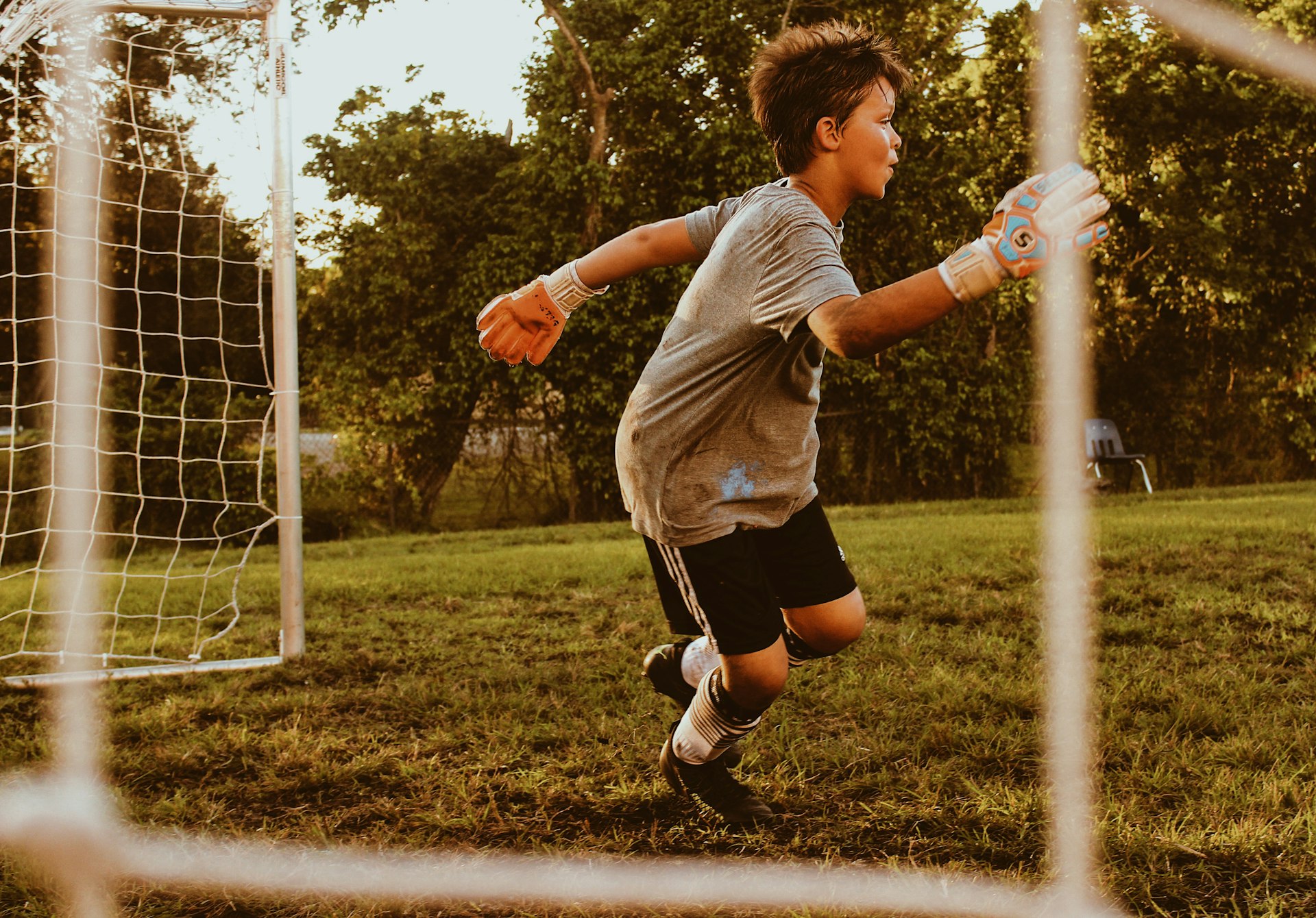
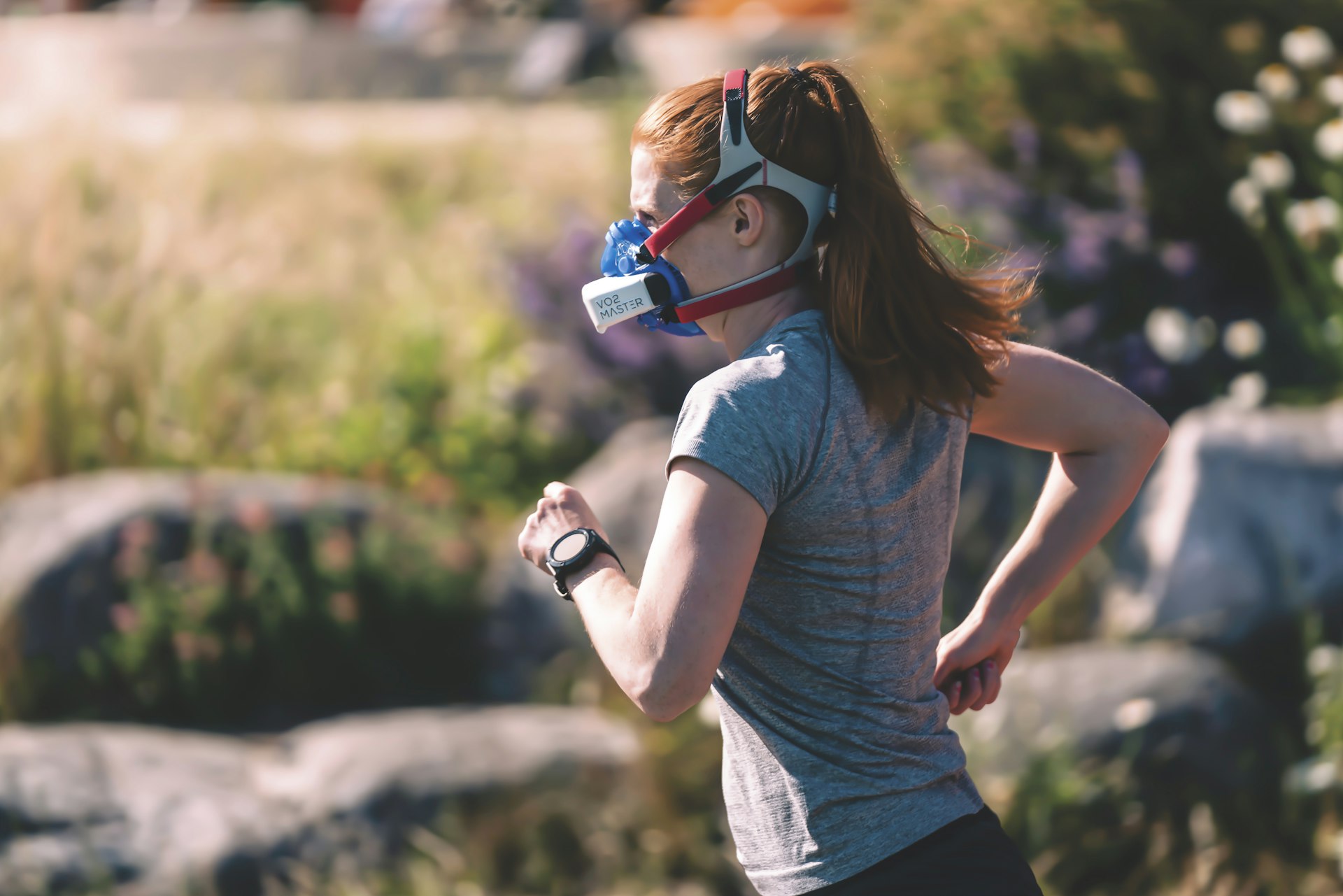
Physical activity is often overlooked as an anxiety management tool, but research consistently shows its benefits. A 2021 study in the Journal of Affective Disorders found that regular aerobic exercise-like walking, running, or cycling-reduces anxiety symptoms by up to 20% in individuals with GAD. Exercise releases endorphins, which are natural mood boosters, and also reduces levels of cortisol, the body’s primary stress hormone.
It’s not necessary to engage in intense workouts to see benefits; even 30 minutes of moderate exercise five days a week can make a difference. For those who struggle to find time, breaking activity into shorter sessions-like three 10-minute walks throughout the day-can be equally effective. Additionally, activities that combine movement with mindfulness, such as tai chi or qigong, have been shown to reduce anxiety in older adults, according to a 2018 study in the Journal of Alternative and Complementary Medicine.
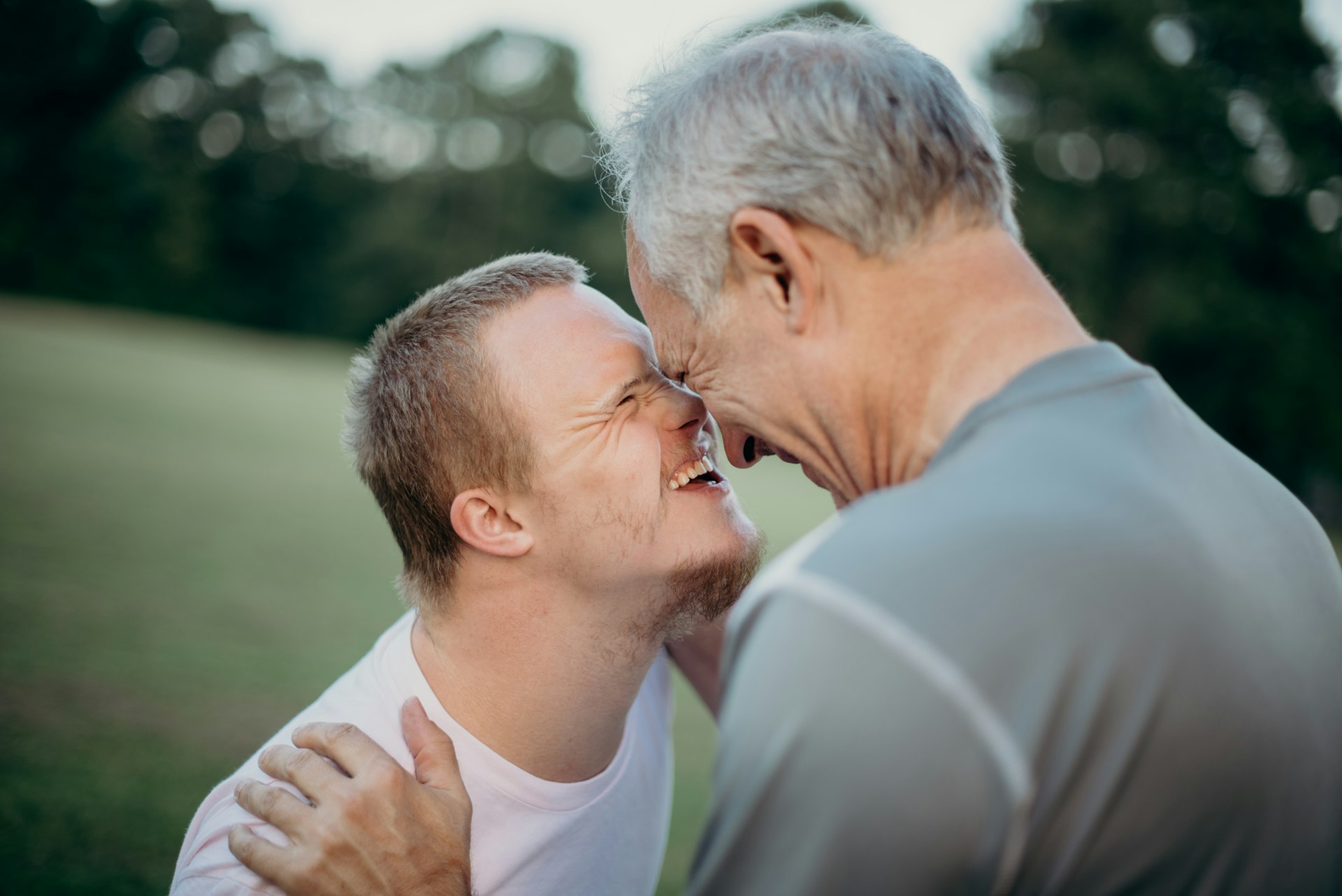
Strong social ties are crucial for mental health, and research shows that social support can buffer against anxiety. A 2019 study in the Journal of Personality and Social Psychology found that individuals with close, supportive relationships have lower levels of anxiety and are better able to cope with stress. This is because social interaction triggers the release of oxytocin, a hormone that reduces stress and promotes feelings of calm.
For those with social anxiety, building connections can feel challenging, but starting small-like having a 10-minute conversation with a neighbor or joining a low-pressure group activity-can help. Even virtual connections, such as a weekly video call with a friend, can provide the social support needed to reduce anxiety symptoms. It’s important to prioritize quality over quantity; a few meaningful relationships are more beneficial than many superficial ones.
Poor sleep and anxiety are closely linked: anxiety can disrupt sleep, and lack of sleep can worsen anxiety symptoms. A 2020 study in the Sleep Medicine Reviews journal found that individuals with insomnia are 17 times more likely to develop an anxiety disorder than those with healthy sleep patterns. Improving sleep hygiene can therefore be a key part of anxiety management.
Simple sleep hygiene practices include maintaining a consistent sleep schedule (even on weekends), creating a relaxing bedtime routine (like reading or taking a warm bath), avoiding screens for at least an hour before bed, and keeping the bedroom cool, dark, and quiet. For those who struggle with racing thoughts at night, writing down worries before bed can help clear the mind and make it easier to fall asleep.
While diet alone can’t cure anxiety, certain nutritional choices can help reduce symptoms. A 2017 study in the Journal of Psychiatric Research found that a diet rich in fruits, vegetables, whole grains, and lean proteins (often referred to as the Mediterranean diet) is associated with lower levels of anxiety. This is because these foods provide essential nutrients like omega-3 fatty acids, magnesium, and B vitamins, which play a role in regulating mood and reducing stress.
On the other hand, consuming excessive amounts of caffeine, sugar, or alcohol can worsen anxiety symptoms. Caffeine is a stimulant that can increase heart rate and restlessness, while sugar can cause blood sugar spikes and crashes that affect mood. Alcohol, although it may initially calm nerves, can disrupt sleep and increase anxiety the next day. Making small adjustments to diet-like swapping a sugary snack for a piece of fruit or limiting caffeine intake to the morning-can help reduce anxiety over time.
Managing anxiety is a personal journey, and what works for one person may not work for another. However, by incorporating evidence-based strategies like cognitive restructuring, mindfulness, physical activity, social connection, sleep hygiene, and nutritional adjustments, individuals can take meaningful steps toward reducing their anxiety symptoms and improving their overall well-being. It’s important to note that if anxiety symptoms are severe or persistent, seeking professional help from a therapist or psychiatrist is recommended, as they can provide personalized treatment plans tailored to individual needs.

MORE FROM lowcostbotox.com