
Technology
Serverless Computing: The Backbone of Scalable, Cost-Effective Modern Applications

For many men, the process of aging brings a series of gradual changes that often go unnoticed until they start to impact daily life. From a slight dip in energy after a long day to a shift in sleep quality, these changes are often linked to hormonal fluctuations that occur naturally over time. Unlike the sudden hormonal drop experienced by women during menopause, men’s hormonal changes unfold slowly, typically starting around the age of 30. Each year, testosterone levels decrease by approximately 1%, a process known as andropause. While this decline is normal, it can contribute to a range of symptoms that affect quality of life, including reduced muscle mass, increased body fat, diminished libido, and changes in mood.

Beyond testosterone, other hormones play critical roles in men’s aging journey. Growth hormone, which supports cell repair, metabolism, and muscle strength, also declines with age, leading to slower recovery from exercise and a reduction in lean body mass. DHEA, a precursor to both testosterone and estrogen, follows a similar downward trend, impacting energy levels and immune function. Cortisol, the body’s primary stress hormone, can become dysregulated over time, especially in men who experience chronic stress. Elevated cortisol levels can disrupt the balance of other hormones, leading to increased abdominal fat, sleep disturbances, and heightened anxiety.
Testosterone is often the most discussed hormone in men’s health, and for good reason. It plays a central role in maintaining muscle mass, bone density, and red blood cell production, as well as supporting sexual function and mood. As levels decline, men may notice a decrease in physical strength, a slower metabolism, and a greater tendency to gain weight around the midsection. Low testosterone can also contribute to feelings of fatigue, irritability, and difficulty concentrating.
Growth hormone (GH) is another essential hormone for healthy aging. Produced primarily during deep sleep, GH helps to repair damaged cells, build muscle, and regulate metabolism. As men age, the production of GH decreases, leading to a loss of muscle mass, increased body fat, and a reduction in skin elasticity. This decline can also impact cognitive function, as GH supports the health of brain cells and improves memory and focus.
Cortisol, while necessary for the body’s stress response, can become a problem when levels remain elevated over long periods. Chronic stress leads to sustained high cortisol, which can suppress testosterone production, weaken the immune system, and increase the risk of heart disease and diabetes. Men who struggle with stress may find that they have trouble sleeping, experience frequent headaches, or feel more anxious than usual.
Thyroid hormones, including T3 and T4, regulate the body’s metabolism, energy levels, and temperature. As men age, thyroid function can slow down, leading to hypothyroidism, which causes fatigue, weight gain, and cold intolerance. Maintaining healthy thyroid function is critical for overall hormonal balance and can help to mitigate some of the effects of aging.
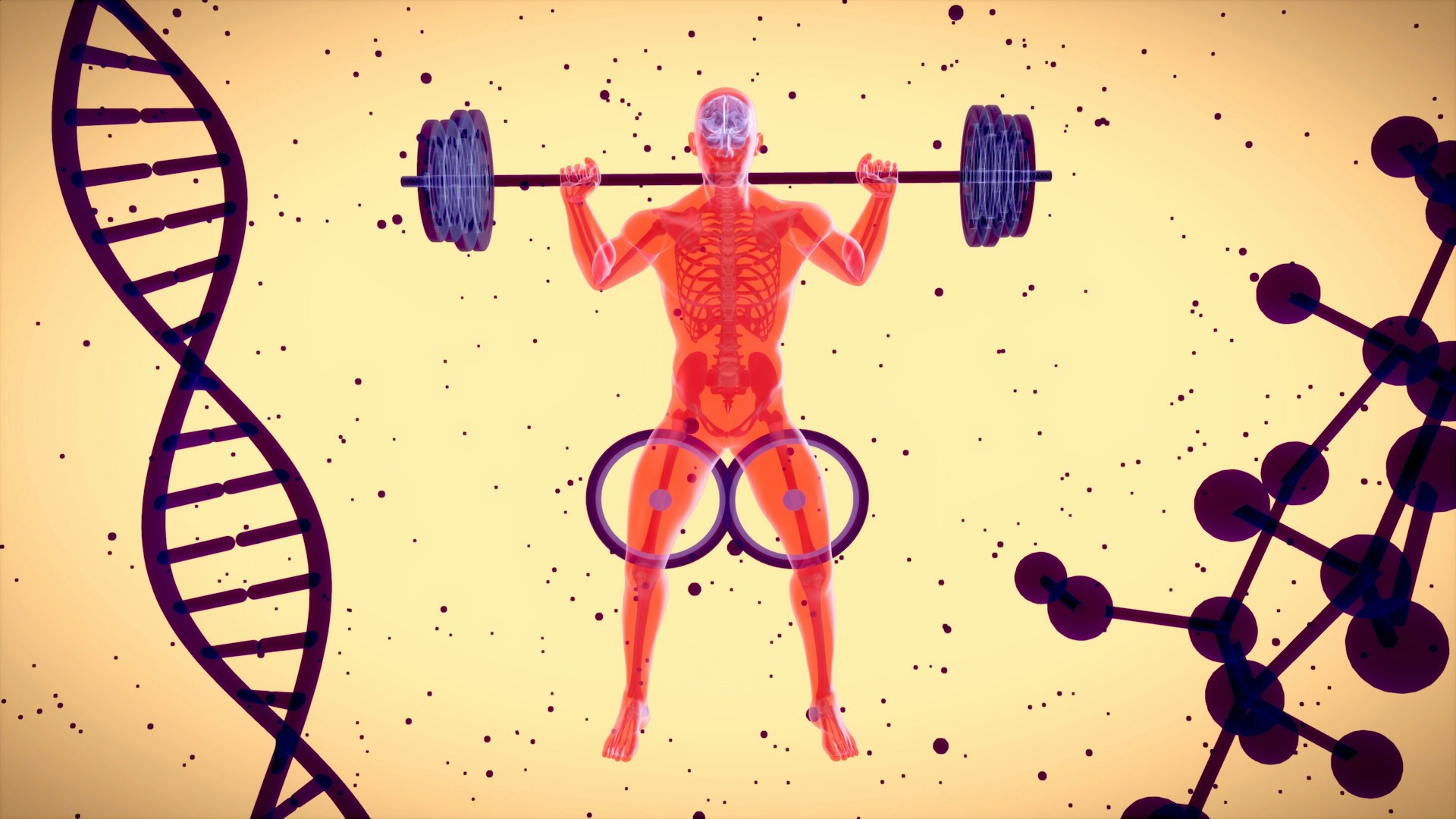
While hormonal decline is a natural part of aging, there are several lifestyle strategies that men can adopt to support hormonal health and maintain their vitality. Regular physical activity is one of the most effective ways to boost testosterone and growth hormone levels. Resistance training, such as weightlifting, has been shown to increase testosterone production and build muscle mass, while cardiovascular exercise improves heart health and reduces stress. Aim for at least 150 minutes of moderate-intensity cardio or 75 minutes of vigorous-intensity cardio each week, plus two or more days of strength training.
Quality sleep is another critical factor in hormonal balance. Most adults need between 7 and 9 hours of sleep each night to allow the body to produce growth hormone and repair cells. Poor sleep quality or insufficient sleep can disrupt testosterone production, increase cortisol levels, and lead to a range of health issues, including obesity, diabetes, and depression. To improve sleep quality, establish a consistent sleep schedule, create a relaxing bedtime routine, and limit exposure to screens before bed.
Stress management is essential for maintaining hormonal balance. Chronic stress can elevate cortisol levels, which can suppress testosterone and growth hormone production. Men can reduce stress by practicing relaxation techniques such as meditation, yoga, deep breathing, or mindfulness. Engaging in hobbies, spending time with loved ones, and taking breaks from work can also help to reduce stress and improve overall well-being.
Limiting alcohol and tobacco use is another important step in supporting hormonal health. Alcohol can lower testosterone levels, disrupt sleep, and increase the risk of liver disease, while tobacco use damages blood vessels, reduces oxygen flow to the body’s tissues, and can lead to a range of health problems, including heart disease and cancer. Men who drink alcohol should do so in moderation, limiting intake to no more than two drinks per day, and those who smoke should consider quitting to improve their hormonal health and overall well-being.
Nutrition plays a critical role in supporting hormonal balance and healthy aging. A diet rich in whole foods, including fruits, vegetables, lean proteins, healthy fats, and whole grains, can help to maintain optimal hormone levels and reduce the risk of chronic disease. Zinc is an essential mineral for testosterone production, and men can increase their intake by eating oysters, lean meats, nuts, and legumes. Vitamin D is another important nutrient for hormonal health, as it helps to regulate testosterone levels and support bone health. Men can get vitamin D from fatty fish, fortified foods, or by spending time in the sun.
Healthy fats are essential for hormone production, as hormones are made from cholesterol. Men should include sources of healthy fats in their diet, such as avocados, olive oil, nuts, and fatty fish, to support hormonal balance. Protein is also important for maintaining muscle mass and supporting testosterone production, and men should aim to eat at least 0.8 grams of protein per pound of body weight each day. Processed sugars and refined carbs should be limited, as they can spike insulin levels, disrupt hormonal balance, and increase the risk of obesity and diabetes.
While lifestyle changes can help to support hormonal health, some men may experience severe symptoms that require medical attention. If you are experiencing persistent fatigue, loss of muscle mass, diminished libido, mood swings, or difficulty concentrating, it is important to consult a healthcare provider. They can perform blood tests to check your hormone levels and provide personalized advice on how to manage your symptoms. In some cases, hormone replacement therapy may be recommended, but this should only be done under the supervision of a qualified healthcare provider, as it can have side effects and may not be suitable for everyone.
It is also important to note that hormonal changes are just one aspect of aging, and there are many other factors that can impact health and well-being. By adopting a healthy lifestyle, including regular exercise, a balanced diet, quality sleep, and stress management, men can support their hormonal health and maintain their vitality as they grow older. Taking a proactive approach to health can help to reduce the risk of chronic disease, improve quality of life, and ensure that men can enjoy their later years to the fullest.
MORE FROM lowcostbotox.com